
Learning frugal living means making smart choices with money. It’s about saving more and spending less. For young families, it means teaching kids early. This helps them build good money habits. It prepares them for a secure future.
What is Frugal Living?
Frugal living is not about being cheap. It is about being smart with your money. It means making thoughtful choices.
You spend less to save more. The goal is to live well without overspending. This means finding value.
It means avoiding waste. It’s about making your money go further.
For families, this can look many ways. It could be packing lunches. It could be finding free fun things to do.
It could be buying things on sale. Or fixing things instead of buying new. It’s a way to be resourceful.
It helps you reach your family’s goals faster. This could be saving for a house. Or a vacation.
Or just having a cushion for emergencies.
My First Frugal Lesson
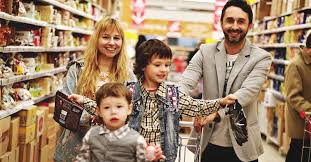
I remember when my oldest was about five. We were at the grocery store. He wanted every bright box on the shelf.
His eyes were wide with desire. I felt a familiar wave of panic. How could I say no to everything?
Then I saw a little girl. She was holding a plain white bag. Her mom was putting simple apples in it.
The girl seemed just as happy. That was my lightbulb moment. It wasn’t about the packaging.
It was about what we were buying.
I explained to my son that we could pick one special treat. But we also needed healthy snacks. We looked at the prices together.
He helped me choose. We chose a fruit and a cheese stick. He felt like he was part of the decision.
He was less upset about not getting everything. That day taught me a lot. It showed me that kids can understand.
They just need it explained simply. It was my first real step in teaching him about smart spending.
Smart Spending Starts Early
It is never too early to start. Even young children can learn. They see you make choices every day.
They learn by watching you. Make their learning part of your routine.
Why Teach Frugal Living to Young Families?
Teaching your kids about money is vital. It’s like teaching them to read. Or to cross the street safely.
Good money habits start young. They help kids understand the value of things. They learn that money is earned.
It is not unlimited. This helps them avoid debt later.
For young families, it sets a good example. Your children see your habits. They will copy what you do.
If you are smart with your money, they will too. It also helps your family’s budget. When everyone in the house tries to save, it adds up.
You can reach your goals faster. It can also reduce stress about money. When you know you are in control, it feels better.
Think about the future. Your kids will grow up. They will have their own money.
They will make their own choices. If they have learned good lessons, they are prepared. They can handle bills.
They can save for big things. They can avoid costly mistakes. It’s a gift that keeps on giving.
Quick Scan: Family Money Habits
Planning: Families who plan meals save money. They buy only what they need. They waste less food.
Needs vs. Wants: Teaching the difference is key. Kids learn to ask: “Do I really need this?”
Saving: Even small amounts add up. A piggy bank is a great start.
Earning: Simple chores can teach about work and reward.
Making Money Talk Fun
Talking about money doesn’t have to be dull. You can make it a game. Or a story.
Use everyday moments. These are your best teaching tools. Turn shopping into a lesson.
Talk about why you choose one item over another. Explain sales. Show them how you use coupons.
When you are at home, use play. Let them play “store.” Give them fake money. Let them “buy” things.
This helps them understand trading. They learn that items have a cost. You can also use jars for saving.
Label them: “Spend,” “Save,” “Give.” This makes it visual.
Kids love stories. Tell them about your own money lessons. Share a time you saved up for something.
Or a time you made a mistake. Be honest. But keep it simple.
They will connect with your experiences. They learn that everyone learns about money. It’s not always perfect.
Simple Ways to Talk Money
When shopping: “We have $X for groceries. Let’s see what we can get.”
At home: “This toy costs $Y. That means we need to save $Y for it.”
About bills: “This is the electric bill. We pay this to keep the lights on and the TV working.”
For treats: “We have some extra money this week. Should we use it for ice cream or a new book?”
Teaching Budgeting Basics
Budgeting is simply making a plan for your money. For kids, it starts with limits. When you go to the store, give them a small amount of money.
Let them choose something within that limit. This teaches them about budgets. They learn they can’t have everything.
You can also use a visual chart. Draw out where money comes from. And where it goes.
For young kids, this could be simple pictures. For older kids, it can be more detailed. Show them your grocery budget.
Or your entertainment budget. Explain that you have to choose. You can’t spend on everything at once.
The goal is to show them that choices have consequences. If you spend more on toys, you have less for movies. If you save for a bike, you can’t buy candy every day.
This helps them see the trade-offs. It’s a fundamental part of managing money.
Needs vs. Wants
This is a big one for kids. They often see something and want it. They don’t always think about if they need it.
You can teach this difference easily. When you are out, ask questions. “Do you need new shoes?
Or do you want these cool ones?”
At home, make a list together. Split it into two columns: “Needs” and “Wants.” Needs are things you must have. Food, water, shelter, clothes.
Wants are things that are nice. Toys, games, extra snacks. It’s okay to want things.
But needs come first.
This lesson helps kids prioritize. It teaches them to think before they buy. It’s a skill that saves money.
And stress. It helps them understand what is truly important. This is a lesson that benefits them forever.
Contrast: Needs vs. Wants
| Needs | Wants |
|---|---|
| Food to eat | Candy or extra snacks |
| Clothes to wear | Lots of trendy outfits |
| A place to live | A bigger house with a pool |
| Water to drink | Soda or juice |
Saving Money on Groceries
Groceries are a big expense for families. Teaching frugal grocery habits is key. One way is meal planning.
Sit down once a week. Plan out all your meals. Breakfast, lunch, dinner.
Make a list based on your plan. Stick to the list.
Buying in bulk can save money. But only if you will use it. Things like rice, pasta, or toilet paper.
Check unit prices. This is the price per ounce or pound. It helps you see the real deal.
Don’t forget about store brands. They are often just as good.
Look for sales. Use coupons if you have them. Compare prices between stores.
Sometimes a little driving saves a lot. Also, reduce food waste. Use leftovers.
Store food properly. This saves money and helps the planet.
When you shop with kids, make it a game. “Find the cheapest apples.” Or “See how many different kinds of beans we can find.” They learn about value. And they help you shop smarter.
It can be a team effort.
Grocery Saving Tips
Plan meals: Know what you will eat.
Make a list: Stick to it to avoid impulse buys.
Compare prices: Look at unit prices.
Store brands: Often cheaper and just as good.
Use coupons: If they match your needs.
Reduce waste: Use leftovers and store food well.
Saving on Utilities
Our homes use a lot of energy. This means big bills. Teaching kids about saving energy is smart.
It helps the planet. It saves your family money. Turn off lights when you leave a room.
Make it a rule. Kids can be great at reminding you!
Shorten shower times. This saves water and hot water energy. Close doors and windows when the heat or AC is on.
This keeps the temperature steady. Unplug electronics when not in use. They still use power.
This is called “vampire drain.”
In the summer, use fans. Open curtains to let in cool air at night. In the winter, close curtains to keep heat in.
These small actions add up. They teach kids to be mindful of resources. They learn that being careful with power is good.
It’s good for the wallet.
Fun Family Activities That Save Money
Entertainment doesn’t need to cost a lot. Parks are free. Libraries offer books, movies, and events.
Pack a picnic lunch. Go for a hike. Play board games.
Have a family movie night at home.
Visit free museums or local attractions. Many have free days. Look for community events.
Festivals, concerts in the park. These are often low-cost or free. Crafting at home can be fun.
Use materials you already have. Make art. Build forts.
Tell stories.
These activities build memories. They focus on connection, not spending. Kids learn to enjoy simple things.
They learn that fun doesn’t require big expense. This is a valuable lesson for life. It shifts their focus.
They appreciate experiences more.
I remember one summer. We had a tight budget. Instead of a big vacation, we had a “staycation.” We explored local parks.
We visited the library daily. We had themed nights. Like “Italian Night” with homemade pizza.
Or “Space Night” with star gazing. The kids loved it. They felt like they were on an adventure.
It was cheaper. And it was just as fun.
Low-Cost Family Fun Ideas
Nature exploration: Parks, trails, beaches.
Library visits: Books, movies, free programs.
Picnics: Pack your own food and enjoy outdoors.
Board games & puzzles: Family time together.
Crafts at home: Use recycled materials.
Backyard camping: Fun and easy adventure.
Earning Money: Chores and Allowance
Linking chores to earning money is a common method. It teaches kids about work. They learn that money is earned.
It is not just given. Decide on a system that works for your family. Some families pay for certain chores.
Others give a small allowance.
You can have “extra” chores. These are jobs beyond regular daily tasks. Completing them earns extra money.
This teaches them about going above and beyond. It shows them how to earn more. They learn to be proactive.
It also teaches responsibility.
When kids get money, they can choose. They can spend it. They can save it.
They can give some away. This is where the jars come in handy. “Spend,” “Save,” “Give.” They learn to make choices with their own money.
This is a powerful lesson.
It’s important to be consistent. If you promise payment for a chore, pay it. If you don’t, kids lose trust.
They might stop doing the chore. Or they might feel it’s not worth it. Clear expectations are key.
Also, make sure the chores are age-appropriate.
Allowance vs. Chore Pay
Allowance: A set amount given regularly. Teaches budgeting. Kids learn to manage a set sum.
Chore Pay: Money earned for specific jobs. Teaches value of work. Kids see direct link between effort and reward.
Hybrid Model: Basic allowance for responsibilities. Extra pay for extra jobs.
Teaching Kids About Saving
Saving is a cornerstone of frugal living. It needs to be taught early. Start with a piggy bank.
Let your child put coins in. Watch it fill up. Count it together.
Then help them decide what to buy with it. This shows them the reward of saving.
For older kids, open a savings account. Take them to the bank. Show them how it works.
Explain interest. Even a small amount of interest can be exciting. It’s money they earn just for saving.
This is a powerful concept.
Set saving goals together. Maybe it’s a toy. Or a video game.
Or something bigger like a bike. Help them figure out how much they need. Then help them calculate how long it will take to save.
This makes saving tangible. It gives them a target.
Involve them in checking their balance. Seeing the number grow is motivating. It reinforces the habit.
It shows them that patience pays off. This is a skill they will use their entire lives. It helps them achieve big dreams.
Saving Money on Clothes and Gear
Kids grow fast. Clothes and shoes can be a big expense. Buying second-hand is a great option.
Thrift stores, consignment shops, or online marketplaces. You can find quality items for less. Kids often don’t mind.
They just need clothes that fit.
When buying new, look for sales. Buy classic items. They don’t go out of style quickly.
Invest in good quality. Durable items last longer. This means buying less over time.
It’s a form of saving.
Hand-me-downs are fantastic. If you have older kids, save their clothes. Pass them to younger siblings or cousins.
If you don’t have family nearby, consider donating. And then looking for gently used items yourself.
For kids’ gear, like sports equipment or toys, consider borrowing or renting. Or buy used. Kids’ interests change.
They might not use expensive gear for long. This saves a lot of money.
Second-Hand Shopping Wins
Cost Savings: Significantly less than new items.
Environmental Benefits: Reduces waste and demand for new production.
Unique Finds: Often discover vintage or special items.
Teaches Value: Kids learn that good items don’t always need to be brand new.
Dealing with Peer Pressure
As kids get older, peer pressure about stuff can be strong. “Everyone else has it.” This is tough. You can’t shield them forever.
But you can prepare them.
Talk about the difference between what friends have and what your family can afford. It’s okay to be different. It’s okay not to have the latest thing.
Focus on character, not possessions. What kind of person are they? That’s more important than what they own.
Empower them to say no. Role-play scenarios. How can they respond if a friend pressures them?
Teach them to say things like, “My parents have a budget,” or “I don’t need that.” They can also suggest other activities. Ones that don’t involve spending money.
Praise them when they make good choices. When they resist pressure. “I’m proud of you for not buying that.
You know we are saving for our vacation.” Positive reinforcement works wonders. It builds their confidence in their own values.
When to Worry
Most of the time, kids want things. That’s normal. But if your child is constantly demanding.
If they become upset or angry when they don’t get something. This is a sign. They might be learning unhealthy money habits.
If they are sneaking money. Or taking things without asking. This is a serious concern.
It suggests a lack of understanding. Or a deeper issue. This requires direct intervention.
If your child seems overly focused on material things. If their happiness depends on possessions. This is something to address.
Talk about what truly brings joy. Focus on experiences, relationships, and personal growth.
Sometimes, we as parents model the wrong behavior. If we are constantly buying things. Or complaining about money but still spending.
Kids pick up on mixed messages. Ensure your own actions align with your lessons.
Signs to Watch For
Constant Demanding: Never satisfied, always wanting more.
Extreme Upset: Overreacting when denied something.
Focus on Possessions: Happiness tied to what they own.
Sneaky Behavior: Taking things, lying about money.
Peer Pressure Issues: Feeling inadequate if they don’t have what others do.
Quick Fixes and Tips
The Envelope System: For specific spending categories, like groceries or fun money, use cash in envelopes. When the envelope is empty, spending stops for that category.
“Wait” Rule: For non-essential purchases, implement a 24-hour or 48-hour wait. This helps reduce impulse buys. Kids learn to think if they still want it after some time.
DIY Gifts: Teach kids to make gifts for family and friends. Baked goods, crafts, or handmade cards are meaningful and save money.
Borrow, Don’t Buy: For items used infrequently, like tools or party decorations, explore borrowing from neighbors or friends.
Review Subscriptions: Look at all monthly subscriptions. Streaming services, apps, games. Cancel what you don’t use enough.
Frequently Asked Questions
What is the best way to start teaching frugal living to a toddler?
For toddlers, focus on simple concepts. Use play. Let them put coins in a piggy bank.
Explain that some things cost “money.” Show them they can’t have everything. Use simple words like “save” and “wait.”
How can I make budgeting fun for my kids?
Make it a game. Use colorful jars for saving. Draw charts together.
Let them help plan family activities that are low-cost. Focus on the goals they want to reach with saving.
Should I give my kids an allowance? If so, how much?
An allowance can teach budgeting. The amount varies by age and family income. A common starting point is $1 per year of age per week (e.g., a 5-year-old gets $5 per week).
Focus on teaching them to manage the amount they receive.
What if my kids always want what their friends have?
Talk about differences. Focus on character over possessions. Empower them to say no.
Role-play responses to peer pressure. Praise them when they make smart choices about not keeping up with trends.
How can I teach my kids about the difference between needs and wants effectively?
Use everyday examples. When shopping, ask “Do we need this or want this?” Make lists at home with “Needs” and “Wants” columns. Explain that needs are essential, while wants are nice to have.
Is it okay for my child to be disappointed when they can’t buy something?
Yes, it’s normal. Disappointment is a part of life. The key is how you handle it.
Acknowledge their feelings. Explain why you can’t buy it. Offer alternatives or suggest saving for it.
This teaches coping skills.
Conclusion
Teaching frugal living is a journey. It’s not a one-time talk. It’s about consistent lessons.
Use everyday moments. Make it fun. Be a good example.
Your children will learn valuable skills. These skills will help them thrive. They will be more confident.
They will be more secure. And your family can reach its goals together.







Leave a Reply