
The best SEO strategy for frugal living for young families focuses on clear, helpful content that answers specific questions. It involves using common words people search for, building trust, and making your site easy for search engines to understand. This helps families find practical ways to save money and manage their homes better.
Understanding Search Engine Optimization for Families
Search engine optimization, or SEO, is how we help search engines like Google understand what your website is about. It’s like giving directions to your amazing content. When people type questions into Google, we want your site to pop up as a helpful answer.
This is especially important for topics like frugal living. Families are always looking for smart ways to save money. They search for specific things.
Thinking like a searcher is key. What words would you use? What problems are you trying to solve?
For websites focused on frugal living for young families, the goal is to connect with people actively seeking advice. They might be looking for ways to cut grocery bills. Perhaps they need ideas for free fun activities.
They could be trying to budget better. Your site can be their guide. SEO helps make that connection happen.
It’s not about tricking search engines. It’s about showing them how valuable your information is.
This means using words that real people use. It means creating content that truly helps them. It also means making your website work well.
Search engines want to send their users to the best places. We need to make sure your site is one of those places. It’s a way to build trust and show your expertise.
When people trust you, they’ll keep coming back.
Why Your Frugal Living Site Needs Smart SEO
Imagine you’ve found a fantastic recipe for budget-friendly chili. You want to share it with friends. But if your recipe isn’t easy to find, your friends might just go with a different one.
Your website is similar. You have great tips for young families. But if search engines can’t find or understand them easily, new families won’t discover them.
That’s a missed opportunity to help someone.
For frugal living, the search intent is often very practical. People are looking for solutions to immediate problems. They need to know how to save money on diapers this week.
They want to know if they can afford a vacation on a tight budget. These are urgent needs. Your site can meet those needs.
But only if it shows up when they search.
SEO helps bring those families to your doorstep. It’s a long-term strategy. It builds a steady stream of visitors who are genuinely interested in what you offer.
This is far more valuable than just a few quick visitors. It builds a community around your shared goals. It makes your efforts worthwhile.
Think of it as planting seeds for future growth. The more care you put into SEO, the more your audience will bloom.
Targeting the Right Audience: Young Families
When we talk about young families, we’re talking about a specific group. They have unique needs and concerns. Their budgets are often tight.
They have children to feed, clothe, and entertain. They are busy. They need information that is quick to understand and easy to implement.
They are probably searching for things like “cheap family meals,” “budgeting for new parents,” or “free activities for kids.”
Your SEO strategy should speak directly to these needs. This means using language that resonates with them. It means addressing their specific challenges.
For example, instead of just writing about “food savings,” you might write “Save $100 on Groceries This Week with These Easy Meal Prep Ideas for Busy Parents.” This is more specific. It grabs attention. It tells them exactly what they’ll get.
Understanding this audience helps us pick the right words. It helps us create content they will love. It also helps us understand what other sites they might be looking at.
This helps us see what’s working for them. We want to be their go-to source. We want them to feel understood and supported.
That’s the heart of great content for this group. Your empathy shines through when you do this.
Understanding Search Intent: What Are People Really Looking For?
Search intent is a fancy term for why someone is typing something into Google. Are they looking to buy something? Are they trying to learn something?
Are they trying to find a specific website? For frugal living, it’s usually about learning or finding a solution. They are seeking information.
They want to know “how to.” They want to know “what is.” They want to know “best way to.”
Let’s break down a few examples. If someone searches “organic apples price,” they want to know the cost. This is a very specific, likely commercial or informational intent.
If they search “how to make applesauce from scratch cheaply,” they are looking for a recipe and cost-saving methods. This is a strong informational and practical intent.
If they search “kids crafts using apples,” they want ideas for activities. This is an exploratory and practical intent. Knowing these differences helps us create the right kind of content.
We need to match what people are searching for with what we provide. Our content needs to be a perfect fit for their search. This makes Google happy.
It also makes the user happy.
This is where understanding keywords comes in. But it’s not about stuffing keywords. It’s about naturally using the words and phrases people actually use.
Think about your own searches. You don’t type in complex phrases. You use everyday language.
Your content should do the same. It should be a natural conversation.
Keyword Research: Finding the Right Words
Keyword research is like being a detective. You’re trying to find out what words and phrases people type into search engines. For a frugal living site aimed at young families, you’re looking for terms related to saving money, parenting, home management, and everyday life.
You want words that are specific enough to attract the right audience but not so obscure that no one searches for them.
Let’s say you’re writing about saving money on baby clothes. Instead of just “baby clothes,” you might find that people search for “second-hand baby clothes deals,” “how to find cheap baby outfits,” or “best places to buy baby clothes on a budget.” These are more specific. They tell you exactly what the searcher wants.
They are called long-tail keywords. They are often easier to rank for.
Tools can help with this. You can use Google’s own search suggestions. When you start typing something in Google, it offers to complete your sentence.
These are popular searches. You can also look at the “People Also Ask” section in Google search results. It shows questions similar to what people are asking.
These are goldmines for content ideas. I remember one time I was stuck on what to write next. I just looked at the “People Also Ask” for “budgeting tips.” It opened up a whole new list of topics I hadn’t considered.
Another great resource is Google Trends. It shows you what topics are popular and when. This can help you time your content.
For example, if you see a spike in searches for “holiday gift ideas on a budget,” you know it’s a good time to publish your related content. It’s all about being where your audience is.
The key is to find keywords that have a decent number of searches but aren’t so competitive that you can’t rank for them. For a new or growing site, focusing on these long-tail keywords is often the best approach. It’s about starting small and building up.
You’re building a solid foundation, one helpful keyword at a time. I’ve found that the most successful posts on my own blogs often start with a very specific question someone asked me.
Some common LSI (Latent Semantic Indexing) keywords related to frugal living for young families might include: budgeting for beginners, meal planning tips, save money on diapers, free family activities, DIY home decor on a budget, parenting on a shoestring, debt-free living for families, smart shopping strategies, energy saving tips for homes, and DIY kids crafts.
Common Search Terms for Frugal Families
- Budget Meal Ideas: Families often search for quick, cheap, and healthy meal recipes.
- Parenting Savings: This includes everything from diapers and formula to clothes and toys.
- Free Entertainment: Parents look for ways to keep kids busy without spending money.
- Home Management on a Budget: Energy saving, DIY repairs, and cleaning hacks are popular.
- Financial Planning for Families: Budgeting, saving for goals, and avoiding debt are key concerns.
Content Creation: Creating Truly Helpful Articles
Once you have your keywords, it’s time to create content. And not just any content. You need content that is genuinely useful and easy to digest for busy parents.
This means clear, simple language. It means short sentences and paragraphs. It means getting straight to the point.
Your articles should answer the questions your audience is asking. If someone searches “how to pack a school lunch for under $5,” your article needs to give them practical, step-by-step advice. It should include specific lunch ideas, shopping tips, and maybe even prep schedules.
I remember trying to find a good article like this myself. I was so frustrated with overly complex recipes. I just wanted something simple that worked.
Use headings (H2s, H3s) to break up your text. This makes it easy to scan. People often skim online content before they decide to read it fully.
Bold important words or phrases to highlight them. Use bullet points and numbered lists. These make information very accessible.
Think about adding personal touches. Share your own experiences. What worked for you?
What didn’t? This builds trust and makes your content relatable. People connect with real stories.
They want to hear from someone who’s been there. I once wrote about our family’s journey to reduce our grocery bill. I shared my mistakes and the lessons I learned.
That post became one of my most popular ever. People loved the honesty.
Ensure your content is accurate and trustworthy. If you’re discussing financial advice, be clear about limitations. If you’re sharing DIY tips, emphasize safety.
This builds your E-E-A-T (Experience, Expertise, Authoritativeness, Trustworthiness). It shows you know what you’re talking about and care about your readers.
Aim for depth, but not complexity. You can be incredibly detailed without using big words. Explain concepts simply.
For instance, instead of “utilize cost-effective strategies,” say “use cheaper ways.” Instead of “demonstrate practical applications,” say “show how to use it.” This is crucial for readability. I often read my drafts aloud to myself. If it sounds too complicated or formal, I rewrite it.
Crafting Shareable Content
- Answer Specific Questions: Directly address searchers’ needs.
- Use Simple Language: Avoid jargon and big words.
- Break Up Text: Short paragraphs, headings, and lists are key.
- Add Personal Stories: Share your own experiences for connection.
- Focus on Actionable Advice: Give readers clear steps they can take.
On-Page SEO: Making Your Content Search-Engine Friendly
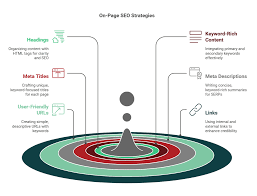
On-page SEO is about optimizing the content on your actual web pages. It’s about making it easy for search engines to understand your topic and its relevance. This includes using your keywords naturally within your content.
Your title tag and meta description are super important. The title tag is what shows up in the browser tab and as the main headline in search results. It should be clear, concise, and include your primary keyword.
The meta description is the short snippet that appears below the title in search results. It’s your chance to entice someone to click. It should summarize your content and include a call to action, like “Learn more.”
Using your main keyword in the first paragraph of your article is a good practice. It tells search engines right away what the page is about. Also, sprinkle related keywords (LSI keywords) throughout your content.
This helps search engines understand the broader context of your topic. For example, if your main keyword is “budgeting for young families,” related terms might be “saving money,” “financial planning,” “family expenses,” and “cost of living.”
Internal linking is another powerful on-page SEO tactic. This means linking from one page on your site to another. If you have an article about saving money on groceries, link to it from your article about meal planning.
This helps users find more related content. It also helps search engines discover and index all your pages. It’s like creating a helpful roadmap for your visitors.
Image optimization is also part of on-page SEO. When you upload images, use descriptive file names and add alt text. Alt text is a description of the image.
It helps search engines understand what the image is about. It’s also important for accessibility for visually impaired users. So, instead of `IMG_1234.jpg`, use `budget-friendly-family-meal-prep.jpg`.
And the alt text could be “A colorful spread of budget-friendly family meals prepared for the week.”
My own experience with on-page SEO taught me a lot. Initially, I just wrote what I wanted to say. But I noticed my posts weren’t getting found.
I started focusing more on these on-page elements. I made sure my main keyword was in my title, meta description, and first paragraph. I started adding internal links.
It took time, but the difference was noticeable.
Key On-Page SEO Elements
- Title Tags: Your main headline in search results.
- Meta Descriptions: A short summary to encourage clicks.
- Keyword Usage: Naturally include primary and related terms.
- Internal Linking: Connect your pages to keep readers engaged.
- Image Alt Text: Describe images for search engines and accessibility.
Technical SEO: Making Your Site User-Friendly and Accessible
Technical SEO is all about the behind-the-scenes stuff. It ensures your website is built in a way that search engines can easily crawl, understand, and index. It also ensures a great experience for your visitors.
One of the most critical aspects is website speed. Slow websites frustrate users and search engines alike. People will leave if a page takes too long to load.
There are many ways to improve speed. This includes optimizing images, using good hosting, and minimizing code. I’ve learned that even small improvements here can make a big difference.
I used to have a slow site and didn’t realize how much it hurt my traffic. When I fixed it, I saw immediate gains.
Mobile-friendliness is non-negotiable. Most people search on their phones. Your website must look and work perfectly on a small screen.
Google prioritizes mobile-friendly sites. If yours isn’t, you’re going to fall behind. This means clear buttons, readable text without zooming, and easy navigation on a phone.
Website security is also vital. Using HTTPS (a secure connection) is a must. It shows visitors that their data is safe.
Google also prefers secure websites. It’s a trust signal for both users and search engines.
Having a clear site structure and navigation makes it easy for both users and search engines to find your content. A well-organized site with logical categories helps everyone. Think of it like a library.
If the books are messy, it’s hard to find anything. If they are organized by subject, it’s much easier.
Schema markup is another technical element. It’s code you add to your website that helps search engines understand the content on your pages in a more structured way. For example, you can use schema to tell Google that a specific page contains a recipe, an event, or a product.
This can lead to rich snippets in search results, which can increase your click-through rates. I’ve seen how schema can make a recipe post stand out with star ratings and cook times right in the search results.
It might sound complicated, but many website platforms offer tools to help with these technical aspects. The goal is to create a solid foundation so your great content can shine. It’s about removing any barriers for your visitors and for Google.
This ensures your hard work in content creation isn’t wasted.
Technical SEO Checklist
- Website Speed: Optimize for fast loading times.
- Mobile-Friendliness: Ensure a great experience on all devices.
- HTTPS Security: Protect your users and build trust.
- Site Structure: Organize content logically with clear navigation.
- Schema Markup: Help search engines understand your content better.
Building Authority and Trust (E-E-A-T)
In the world of SEO, E-E-A-T is a big deal. It stands for Experience, Expertise, Authoritativeness, and Trustworthiness. Google wants to show users the best possible information.
This means content from sources that have these qualities.
Experience: This is about showing you’ve lived through it. For a frugal living blog, this means sharing personal stories. Talk about the time you accidentally overspent and what you learned.
Describe a successful budget meal you made. Your real-life experiences add immense value. I know when I read a post about budgeting, I trust it more if the author shares their own struggles and successes.
It makes them human.
Expertise: This means demonstrating that you know what you’re talking about. While you don’t need formal degrees for many blogging topics, you need to show you’ve done your research. Back up your tips with facts or logical reasoning.
If you’re talking about financial planning, cite reputable sources. When you explain things clearly and accurately, you show expertise. It’s about being a reliable source of information.
Authoritativeness: This is about how well-known and respected you are in your niche. It’s built over time. Getting links from other reputable websites in the frugal living or parenting space can help.
Being mentioned or featured on other sites is a strong signal. It means others in your field recognize your value. Building relationships with other bloggers can also help here.
Collaboration is key.
Trustworthiness: This is paramount. Be honest and transparent. Disclose any affiliate links or sponsored content clearly.
Provide accurate information. Have clear contact information on your site. Have a privacy policy.
When users trust you, they’re more likely to return and recommend your site. This is especially important when giving advice that affects people’s finances or families.
Focusing on these four pillars will not only help your SEO but also build a loyal community around your blog. People want to learn from people they trust. They want advice from those who have walked the walk.
Your authentic voice and helpfulness will shine through. That’s the real secret sauce.
Building E-E-A-T for Your Frugal Living Blog
- Experience: Share personal stories and real-life examples.
- Expertise: Demonstrate deep knowledge through accurate information.
- Authoritativeness: Earn recognition through links and mentions from other sites.
- Trustworthiness: Be honest, transparent, and provide reliable advice.
Off-Page SEO: Building Your Site’s Reputation
Off-page SEO refers to activities done outside of your website to improve its search engine ranking. It’s about building your site’s reputation and authority on the internet.
The most significant part of off-page SEO is link building. This means getting other websites to link to your content. When a reputable site links to yours, it’s like a vote of confidence.
Search engines see this as a signal that your content is valuable and trustworthy. Think of it as a recommendation.
How do you get these links? High-quality content is the first step. If you create amazing, unique, and helpful content, other bloggers and websites will want to link to it.
You can also try outreach. This involves contacting other websites and letting them know about your great content, especially if it’s relevant to something they’ve written.
Another off-page strategy is social media promotion. While social media links don’t directly boost SEO rankings like backlinks, they can drive traffic to your site. More traffic means more potential for others to discover your content and link to it.
Sharing your articles on platforms like Facebook, Pinterest, and Instagram can be very effective for reaching young families.
Guest blogging is another powerful tactic. This involves writing articles for other blogs in your niche. You get to share your expertise, reach a new audience, and usually get a link back to your own website.
It’s a win-win. I’ve had great success with guest posting on parenting and finance blogs. It really helps get my name out there.
Online reviews and mentions are also part of off-page SEO. If your brand or website is mentioned positively on other sites or forums, it can contribute to your authority. Engaging in online communities where your target audience hangs out can also indirectly help.
You become a known and trusted voice.
It’s important to get these links and mentions naturally. Avoid shady tactics like buying links. Google penalizes websites that engage in link schemes.
The focus should always be on creating value that earns these links and mentions.
I remember when I first started trying to get links. It felt like shouting into the void. But slowly, by focusing on creating truly excellent content and building genuine relationships with other bloggers, I started seeing results.
It takes patience and persistence. But the payoff in terms of traffic and authority is huge. The effort is well worth it for a frugal living blog where trust is so important.
Strategies for Off-Page SEO
- Link Building: Earn backlinks from reputable websites.
- Social Media Promotion: Share content and drive traffic.
- Guest Blogging: Write for other sites to gain exposure and links.
- Online Mentions: Encourage positive mentions and reviews.
- Community Engagement: Be an active, helpful voice online.
Measuring Your Success and Adapting
SEO isn’t a “set it and forget it” thing. It’s an ongoing process. You need to track your progress and make adjustments.
This is where analytics come in.
Google Analytics is your best friend here. It shows you how much traffic your website is getting. It tells you where that traffic is coming from.
It shows you which pages are most popular. You can see how long people are staying on your site and which pages they leave from. This data is invaluable.
Google Search Console is another essential tool. It shows you how your site is performing in Google search results. It tells you which keywords people are using to find your site.
It alerts you to any technical errors on your site that might be hurting your rankings. It’s like a direct line to Google.
Look at your search rankings. Are you climbing the ladder for your target keywords? Are you getting more clicks from search results?
Are people spending more time on your site? Are they visiting more pages per session? These are all good signs.
If something isn’t working, don’t be afraid to change it. Maybe a particular type of content isn’t performing well. Try a different approach.
Maybe a certain keyword isn’t bringing in the right traffic. Focus on others. The search landscape is always changing.
What works today might need tweaking tomorrow.
For a frugal living blog, this means staying in tune with current economic trends. Are people suddenly searching more for “gas saving tips” due to rising prices? Adapt your content calendar to meet those emerging needs.
I always check my analytics weekly. It helps me see what’s buzzing and what’s not. It lets me pivot quickly if needed.
This adaptability is key to long-term success. It ensures you’re always providing relevant and timely help to your audience.
Tools for Tracking SEO
- Google Analytics: Monitor website traffic and user behavior.
- Google Search Console: Track search performance and identify errors.
- Search Rankings: See where your site appears for target keywords.
- User Engagement Metrics: Analyze time on page, bounce rate, and pages per session.
Common Pitfalls to Avoid
Even with the best intentions, it’s easy to stumble when doing SEO. Here are some common traps to sidestep:
Keyword Stuffing: This is when you cram too many keywords into your content. It makes your writing sound unnatural and hurts readability. Search engines are smart; they can tell when you’re trying to game the system.
Focus on natural language. Never repeat keywords unnecessarily.
Ignoring Mobile Users: If your site isn’t mobile-friendly, you’re alienating a huge chunk of your audience. Make sure your design works perfectly on phones and tablets. It’s no longer optional; it’s essential for reaching families.
Writing Only for Search Engines: Your primary audience is people, not bots. While SEO is important, your content must be valuable and engaging for humans first. If it’s hard to read or doesn’t offer real help, people won’t stay, no matter how well it’s optimized.
Expecting Overnight Results: SEO takes time. It can take months to see significant results. Be patient and consistent.
Focus on creating great content and building your site’s authority over the long haul. I’ve seen many new bloggers get discouraged because they don’t rank immediately. But consistency is rewarded.
Not Updating Content: Information can become outdated. Periodically review and update your older posts. Add new information, check for broken links, and ensure the advice is still relevant.
This keeps your content fresh and valuable for both users and search engines.
Ignoring User Experience: A cluttered website, confusing navigation, or annoying pop-ups can drive visitors away. Prioritize a clean, easy-to-use experience. This includes good readability and a logical flow.
It’s about making it a pleasure for families to find the frugal tips they need.
Common SEO Mistakes
- Overuse of Keywords: Focus on natural language and readability.
- Poor Mobile Experience: Ensure your site is mobile-friendly.
- Content Quality Neglect: Always prioritize value for human readers.
- Impatience: SEO is a long-term strategy; be consistent.
- Outdated Content: Regularly update and refresh your articles.
- Bad User Experience: Make your site easy and pleasant to navigate.
The Future of SEO for Frugal Living Blogs
The SEO landscape is always evolving. Search engines are getting smarter. They are focusing more on understanding the intent behind searches and providing the most helpful, trustworthy answers.
For frugal living blogs targeting young families, this means a few things are becoming even more important.
Voice Search: More people are using voice assistants like Alexa and Google Assistant. These searches are often more conversational and question-based. This reinforces the need for clear, natural language in your content.
Writing content that directly answers questions like “What’s the cheapest way to feed a family of four this week?” will become even more crucial.
E-A-T Signals: As mentioned before, Experience, Expertise, Authoritativeness, and Trustworthiness are vital. Google wants to show users information from reliable sources. For topics like finance and family well-being, this is non-negotiable.
Building your credibility as a trusted voice in the frugal living community is key.
User Experience: Google will continue to prioritize websites that offer a great user experience. This includes fast loading times, mobile-friendliness, easy navigation, and engaging content. If your site is hard to use, even the best content won’t be seen.
Topic Authority: Instead of just ranking for individual keywords, search engines are looking for sites that are authorities on broader topics. If you consistently publish high-quality content about all aspects of frugal living for families, Google will see you as a go-to resource. This means covering a range of related sub-topics thoroughly.
The core of any successful SEO strategy remains the same: provide valuable, high-quality content that genuinely helps your target audience. For young families looking for frugal living tips, this means being a reliable, empathetic, and knowledgeable resource. By focusing on clear communication, building trust, and understanding what your audience truly needs, you’ll build a strong online presence that lasts.
It’s about being a helpful friend in their journey to manage their finances and their homes better.
I’ve found that the best way to stay ahead is to keep learning and adapting. The tools and techniques might change, but the fundamental principle of helping people remains the same. When you focus on genuinely helping families save money and live better, your SEO will naturally follow.
It’s a journey, and I’m excited to see where it takes us all.
Frequently Asked Questions About Frugal Living SEO
What is the most important factor for SEO on a frugal living blog?
The most important factor is creating high-quality, genuinely helpful content that directly answers the questions and solves the problems of young families seeking to save money. This builds trust and keeps readers engaged, which search engines reward.
How long does it take to see SEO results for a new blog?
It typically takes several months, often 3-6 months or even longer, to start seeing significant results from SEO efforts. Consistency in publishing valuable content and implementing SEO best practices is key.
Should I focus on many keywords or just a few?
It’s best to focus on a core set of primary keywords relevant to your niche and then target a wider range of related, long-tail keywords. This approach helps you rank for specific searches while also building broader topic authority.
How can I make my frugal living content more trustworthy?
Be transparent about any sponsored content or affiliate links. Cite reliable sources when needed. Share your personal experiences and be honest about your own journey.
Ensure your advice is practical and safe.
Is it better to write long or short articles for SEO?
Both can work, but longer, in-depth articles (often 1000+ words) tend to perform better for competitive topics because they can cover a subject more comprehensively. However, always prioritize readability and value over length. Short, focused articles are great for answering very specific questions.
How important are social media shares for SEO?
Social media shares don’t directly impact search engine rankings as much as backlinks do. However, they can drive significant traffic to your site, increase brand awareness, and lead to more people discovering your content and potentially linking to it, which indirectly helps SEO.
Conclusion
Building a successful frugal living blog for young families takes effort, but by focusing on smart SEO strategies, you can connect with the people who need your advice most. Remember to create helpful content, optimize your site technically, build trust, and be patient. Your voice and your tips can make a real difference for families looking to save money and live better.










Leave a Reply