Blog

  • Scale Frugal Living For Young Famili Website 5K Month

    Scale Frugal Living For Young Famili Website 5K Month

    It’s tough, isn’t it? Trying to make ends meet as a young family often feels like a juggling act. You want to save money, live simply, and maybe even earn a little extra. But how do you actually scale up frugal living to a point where it helps you reach a monthly income goal? It feels overwhelming, but it’s totally doable.

    Scaling frugal living for young families to achieve a $5,000 monthly income involves smart budgeting, strategic saving, and income generation. It’s about making every dollar count while building financial freedom.

    Understanding the “Frugal Living Scale”

    Frugal living is more than just cutting coupons. It’s a mindset. It’s about being intentional with your money and time. Scaling it up means taking those good habits and making them work harder for you. It means turning your savings into opportunities. It’s not about deprivation. It’s about smart choices.

    For young families, this scale can seem like a distant dream. You have diapers, tiny shoes, and growing appetites. Plus, life happens! Unexpected bills pop up. It feels impossible to get ahead. But what if we looked at it differently? What if we saw these challenges as chances to get even smarter with our money?

    The goal of scaling frugal living to $5,000 a month isn’t just about having more money. It’s about having peace of mind. It’s about creating options. It’s about building a secure future for your kids. This journey takes planning. It takes patience. And it takes a good dose of creativity.

    My Own Stumble on the Path to More

    I remember one particularly rough Tuesday. My husband, Mark, had just lost his job. We had two little ones under five. Our savings were tiny. I felt a knot of panic tighten in my stomach. I looked around our small apartment and saw so much we could cut. But it felt like a landslide.

    “How are we going to do this?” I whispered to Mark. He just hugged me. “We’ll figure it out. We always do.” That night, I stayed up late. I made lists. I looked at every single expense. It was eye-opening. We were spending money on things that didn’t truly matter. Things we bought out of habit or for convenience. That night, I realized being frugal wasn’t enough. We needed to be strategic. We needed to scale our efforts.

    The Core Pillars of Scaling Frugal Living

    To reach that $5,000 monthly goal, we need to build on a strong foundation. Think of these as the main legs of a table. If one leg is weak, the whole thing wobbles.

    1. Ruthless Budgeting & Tracking

    This is the bedrock. You can’t scale what you don’t measure. For young families, this means looking at everything.

    Budgeting Like a Pro

    Know Your Numbers:

    • Track every dollar spent for 1-2 months. Apps like Mint or YNAB can help.
    • Categorize spending: Housing, food, transport, childcare, fun, savings.
    • Identify “leaks”: Where is money disappearing without you realizing?

    Set Realistic Goals:

    • Allocate specific amounts for each category.
    • Adjust as needed. Life with kids is unpredictable.
    • Have a buffer for unexpected costs.

    You might think you know where your money goes. But the reality is often surprising. Those small daily coffees add up. Online impulse buys sneak in. Kids’ activities can become a big drain. Tracking forces you to see this clearly. It’s not about judging yourself. It’s about understanding.

    2. Strategic Saving & Investing

    Saving isn’t just putting money aside. It’s about making that money work for you. For young families, this looks different than for a single person.

    Smart Saving Habits

    Emergency Fund First:

    • Aim for 3-6 months of living expenses. This is your safety net.
    • Keep it in a high-yield savings account. Easy to access but earns a little.

    Saving for Goals:

    • College funds for kids.
    • Down payment for a home.
    • Retirement (yes, even now!).

    Automate Everything:

    • Set up automatic transfers to savings and investment accounts each payday.
    • Out of sight, out of mind. It removes temptation.

    Once your emergency fund is solid, think about investing. Even small amounts can grow over time. For young families, this might mean low-cost index funds. They offer diversification. They are less risky than picking individual stocks. The earlier you start, the more time compounding has to work its magic.

    3. Income Generation & Side Hustles

    To reach $5,000 beyond your current income, you need to bring in more money. This is where scaling up truly happens. Frugal living frees up time and resources. You can then use these to earn.

    Making Extra Money

    Leverage Your Skills:

    • What are you good at? Writing, design, organizing, teaching?
    • Offer freelance services online or locally.

    Monetize Hobbies:

    • Do you love baking, crafting, or gardening?
    • Sell your creations at local markets or online.

    Utilize Assets:

    • Rent out a spare room.
    • Rent out your car when you don’t need it.

    Start Small:

    • Don’t try to do too much at once.
    • Pick one or two ideas that fit your family’s schedule.

    Think about what you can do that fits around your family’s needs. Maybe it’s something you can do after the kids are asleep. Or perhaps it’s a weekend project. The key is consistency. Even an extra $500 a month adds up. That’s $6,000 a year!

    Real-World Scenarios for Young Families

    Let’s paint a picture of how this looks in practice. It’s not always glamorous. But it’s effective.

    The Food Factor

    Food is a huge expense for families. Scaling frugal living here means being smart about meals.

    Frugal Food Strategies

    Meal Planning is Key:

    • Plan meals for the week before shopping.
    • Use what you already have in your pantry and freezer.
    • Base meals around sales and seasonal produce.

    Cook from Scratch:

    • Limit pre-packaged meals and convenience foods.
    • Baking bread, making sauces, and preparing snacks at home saves money.

    Smart Shopping:

    • Compare prices. Buy in bulk when it makes sense.
    • Avoid shopping when hungry.
    • Look for store brands.

    Reduce Waste:

    • Store food properly.
    • Use leftovers creatively.

    When I started meal planning, it felt like a chore. But the payoff was huge. Fewer impulse buys at the grocery store. Less food waste. And we ate healthier meals. It was a win-win-win.

    Housing and Utilities

    Your home is often your biggest expense. Small changes here can make a big difference.

    Savings in the Home

    Energy Efficiency:

    • Seal air leaks around windows and doors.
    • Use a programmable thermostat.
    • Wash clothes in cold water.
    • Unplug electronics when not in use.

    Water Conservation:

    • Fix leaky faucets and toilets.
    • Take shorter showers.
    • Only run the dishwasher and washing machine when full.

    Housing Choices:

    • Consider downsizing if your home is too large.
    • Explore options for increasing passive income from your current home (e.g., renting a room).

    We learned to be very mindful of our energy use. Turning off lights as we left rooms became second nature. We wore sweaters indoors instead of cranking the heat. These little habits, multiplied over a year, represented significant savings.

    Transportation Tactics

    Getting around can be expensive. Cars need gas, insurance, and maintenance.

    Getting Around Affordably

    Drive Less:

    • Combine errands into one trip.
    • Walk or bike for short distances.
    • Carpool with neighbors or colleagues.

    Vehicle Maintenance:

    • Keep tires properly inflated for better gas mileage.
    • Follow the recommended maintenance schedule to avoid costly repairs.
    • Learn basic car maintenance yourself (e.g., checking oil, tire pressure).

    Alternative Options:

    • Explore public transportation if available and practical for your family.
    • Consider if a second car is truly necessary.

    For a while, we only had one car. This forced us to be creative with our schedules. It also significantly cut down on gas and insurance costs. Mark would bike to work when he could. I’d plan my grocery trips for days he was home.

    Childcare and Education

    This is a major expense for families. Finding affordable solutions is crucial.

    Affordable Childcare

    Explore All Options:

    • Consider family members, trusted friends, or nanny shares.
    • Look into co-op or co-parenting arrangements.
    • Research any available government subsidies or tax credits for childcare.

    Home-Based Learning:

    • When kids are younger, you can provide a rich learning environment at home.
    • Utilize libraries for free books and activities.
    • Focus on play-based learning.

    School Choices:

    • Research public school options in your area.
    • Understand the costs associated with private or charter schools.

    We found a wonderful mom’s group that did a childcare swap. A few families rotated watching each other’s kids one day a week. It saved us thousands of dollars. It also gave the kids valuable social interaction.

    What This Means for Your Family’s Future

    Scaling frugal living isn’t just about surviving month-to-month. It’s about thriving. It’s about building a better future.

    When It’s Just Smart Habits

    Most of what we’ve discussed is about building good, sustainable habits. If you’re doing these things, you’re on the right track.
    You’re tracking your spending and sticking to a budget.
    You have a growing emergency fund.
    You’re cooking more meals at home.
    You’re mindful of your energy use.
    You’re looking for ways to reduce waste.

    These are all signs of successful frugal living. They are the foundation for scaling up.

    When to Be Concerned (and What to Do)

    If you’re consistently overspending, missing savings goals, or feeling overwhelmed by debt, it’s time to reassess.
    Are you overspending? If your budget is always in the red, you need to either cut expenses or increase income.
    Is debt growing? High-interest debt can derail all your efforts. Focus on paying it down aggressively.
    Are you burnt out? Frugal living shouldn’t make you miserable. If it does, you might be too restrictive. Find a balance.

    If you’re struggling, don’t be afraid to seek help. Financial advisors, non-profit credit counseling agencies, or even online communities can offer support and guidance.

    Quick Tips for the Scaling Journey

    Here are some action-oriented steps you can take right now.
    Conduct a “No-Spend” Weekend: Challenge yourselves to spend absolutely no money for 48 hours. This highlights what you can live without.
    Review Subscriptions: Cancel any unused streaming services, apps, or memberships.
    Declutter and Sell: Go through your house. Sell items you no longer need. This declutters your space and adds cash.
    Batch Errands: Plan your outings to do multiple things at once. This saves gas and time.
    Pack Lunches and Snacks: For work, school, or even a day out. This cuts down on impulse food purchases.
    DIY When Possible: Can you fix that leaky faucet yourself? Can you make your own cleaning supplies?

    Frequently Asked Questions About Scaling Frugal Living

    How much money can a family realistically save by being frugal?

    The amount varies greatly. A common goal for scaling frugal living to significantly impact income is to save or earn an extra $2,000-$3,000+ per month. This can be achieved through a combination of aggressive expense reduction, smart saving, and income generation.

    For instance, saving $500/month on groceries, $300 on utilities, and earning $1,500 from a side hustle quickly adds up.

    Is it realistic for young families to earn $5k extra per month through frugal living?

    Earning $5,000 extra per month solely through saving on expenses is extremely difficult, as savings are finite. However, scaling frugal living to support an income goal of $5,000 total per month (combining existing income with new earnings and savings) is achievable. It requires smart budgeting, reducing costs, and dedicating time to income-generating activities.

    What are the most common financial mistakes young families make?

    Common mistakes include not having an emergency fund, accumulating high-interest debt (like credit cards), not budgeting, overspending on non-essentials, and delaying saving for long-term goals like retirement or college. Impulse buying and lifestyle inflation are also significant pitfalls.

    How can I teach my children about frugal living?

    Involve them in age-appropriate ways. Let them help with meal planning and grocery shopping, showing them how to compare prices. Give them a small allowance to manage for ‘wants’ so they learn about choices and saving.

    Discuss your family’s financial goals together. Lead by example by demonstrating mindful spending and saving.

    What are the best side hustles for parents with young children?

    Look for flexible options. This could include online freelance work (writing, virtual assistant, graphic design), selling crafts or baked goods, tutoring, pet sitting, or even renting out assets like a spare room or vehicle. Prioritize tasks you can do during nap times or after bedtime.

    How does scaling frugal living help reach financial independence?

    By significantly reducing your expenses, you need less money to live comfortably. This frees up more income to save and invest. The more you save and invest, the faster you can grow your wealth.

    This allows you to reach financial independence (where your investments cover your living expenses) much sooner.

    Conclusion

    Scaling frugal living for your young family to hit a $5,000 monthly income goal is a marathon, not a sprint. It’s about building sustainable habits, being creative with your resources, and finding ways to earn more. It requires dedication, but the rewards – financial freedom, reduced stress, and a secure future for your children – are absolutely worth it. Start small, stay consistent, and celebrate every win along the way. You’ve got this.

  • Pricing Frugal Living For Young Famili Services Guide

    Pricing Frugal Living For Young Famili Services Guide

    Getting by when you’re starting a family can feel tough. Money seems to fly out the door faster than you can earn it. This guide is here to help. We’ll look at how young families can live well while saving money. You’ll find tips for everyday life. We’ll cover smart choices for services. It’s about making your money work harder.

    For young families, mastering frugal living means smart budgeting and finding value. Focus on needs over wants. Utilize free resources and community support. Prioritize long-term savings through careful planning. This approach ensures financial stability and peace of mind for your growing household.

    Understanding Frugal Living

    What does frugal living really mean for you? It’s not about being cheap. It’s about being wise with your money. It’s about getting the most value for every dollar you spend. For young families, this is super important. You have big dreams. You also have growing needs.

    Frugal living means thinking before you buy. It means finding deals. It means making things last. It’s also about using what you have. Sometimes, it means doing without certain things. This helps you save money for what truly matters. Like saving for a house. Or for your kids’ future.

    Many people think frugal means doing without fun. That’s not true. It’s about finding fun that doesn’t cost much. It’s about experiences over stuff. It’s about being creative. You can have a great life. You can do it without a huge budget.

    Why Frugal Living Matters for Young Families

    Young families often face unique financial pressures. You might be dealing with student loans. You’re likely establishing careers. And then, kids arrive! Kids bring so much joy. They also bring new costs. Diapers, food, clothes, childcare – it all adds up fast.

    Living frugally gives you control. It helps you avoid debt. It builds a safety net. This net can catch you if unexpected costs pop up. Think car repairs. Or a sudden medical bill. A strong savings habit brings peace. It lowers stress.

    It also sets a good example for your children. They learn about money early. They see how to be responsible. They learn that happiness doesn’t always come from buying things. This is a valuable lesson for life.

    My Own Frugal Journey: A Kitchen Tale

    I remember when our first child was a baby. We lived in a small apartment. Every penny felt stretched. We loved cooking. But grocery bills were climbing. One evening, I stared into our pantry. It felt like I had nothing. I was so tired.

    Then, I looked at our receipts. I saw where our money was going. Lots of little things. Take-out coffee. Pre-packaged snacks. Those things added up quickly. I felt a bit silly. I knew better.

    So, I decided to change. I started planning meals. I made a grocery list. I stuck to it. I learned to bake bread. I made my own baby food. It took extra time. But it saved us so much money. It felt good to be in control. We ate healthier too. That felt like a big win.

    Smart Ways to Save on Everyday Essentials

    Let’s talk about daily life. What do you buy often? Food is a big one. Clothes are another. Cleaning supplies too.

    Food Savings

    Meal Planning: This is key. Look at your week. What will you eat? Plan your meals. Then, make a list. Shop smart.
    Grocery Lists: Always use a list. Don’t buy on impulse.
    Store Brands: Generic brands are often just as good. They cost less.
    Buy in Bulk: For non-perishables, buying in larger sizes can save money. Think rice, pasta, toilet paper.
    Cook More: Eating out costs a lot. Make your meals at home. Pack lunches.
    Reduce Food Waste: Use leftovers. Store food properly. Learn to freeze extras.

    Clothing Choices

    Secondhand Stores: Kids grow fast. They wear out clothes quickly. Thrift stores are amazing. You can find good quality clothes for cheap.
    Hand-me-downs: If friends or family have older kids, ask for their outgrown clothes.
    Sales and Clearance: Buy clothes when they are on sale. Plan ahead for seasons.
    Quality over Quantity: Sometimes, one good piece lasts longer than three cheap ones.

    Household Supplies

    DIY Cleaners: Many cleaners can be made with simple things like vinegar and baking soda. They work well. They are cheaper.
    Refillable Options: Look for products you can refill. Like hand soap.
    Buy Smart: Compare prices. Look for multi-packs.

    Quick Scan: Food Budget Boosters

    Plan Meals: Saves money, reduces waste.

    Shop Lists: Stops impulse buys.

    Store Brands: Good quality, lower cost.

    Cook at Home: Way cheaper than eating out.

    Use Leftovers: No food wasted!

    Navigating Family Services on a Budget

    Services are a big part of family life. Childcare. Healthcare. Internet and phone. How can you make these work for less?

    Childcare Costs

    Childcare is a huge expense for many families.
    Daycare Centers: Compare prices. Ask about discounts for siblings. Look for centers that offer flexible hours.
    Nannies/Au Pairs: These can be costly. But sometimes, families share a nanny. This can cut costs.
    Family and Friends: If you have trusted family or friends, see if they can help. Even a few hours a week can make a difference.
    In-Home Daycare: These are often cheaper than large centers. Check licensing and references carefully.
    Bartering: Can you trade services with another family? Maybe you watch their kids one day. They watch yours another.

    Healthcare Smarts

    Understand Your Insurance: Know your plan. What’s covered? What are your deductibles?
    Generic Prescriptions: Always ask if a generic version is available. They are much cheaper.
    Preventive Care: Use your preventive care benefits. Regular check-ups can catch problems early. This saves money long term.
    Urgent Care vs. ER: Know when to use urgent care. It’s usually cheaper than the emergency room for non-emergencies.
    Telehealth: For minor issues, telehealth appointments can be quicker and cheaper.

    Communication and Utilities

    Internet/Phone Bundles: Many companies offer discounts if you bundle services.
    Shop Around: Don’t stay with the first provider you find. Compare prices often.
    Lower Your Usage: For utilities, be mindful of your usage. Turn off lights. Unplug electronics. Adjust your thermostat.
    Energy Audits: Some utility companies offer free home energy audits. They can show you where you’re losing energy.

    Contrast Matrix: Childcare Options

    Myth: The most expensive childcare is always the best.

    Reality: Cost doesn’t always equal quality. Researching licensed in-home care or sharing a nanny can be safer and more affordable.

    Myth: You must pay full price for every service.

    Reality: Look for sibling discounts, payment plans, and bartering options for childcare and other family needs.

    Saving on Entertainment and Fun

    Frugal living doesn’t mean no fun. It means finding fun that’s easy on the wallet.

    Free and Low-Cost Activities

    Parks and Playgrounds: Local parks are fantastic. They offer space to run, play, and explore.
    Libraries: Libraries offer more than books. Many have free movies, music, and activities for kids. They are also great places to spend a rainy afternoon.
    Community Events: Check your local town or city website. They often list free concerts, festivals, and markets.
    Nature Walks: Explore local trails. Enjoy the outdoors. It’s free exercise too.
    Picnics: Pack a lunch and head to a park or your backyard. It’s a fun mealtime change.

    Affordable Family Outings

    Matinee Movies: Movie theaters often have lower prices for early showings.
    Museum Free Days: Many museums offer free admission on certain days or for specific hours.
    Indoor Play Places: Look for smaller, local play centers. They can be cheaper than big chains.
    Home Entertainment: Have family game nights. Watch movies at home. Bake together.

    Observational Flow: Family Fun Time

    Saturday Morning: Check community calendar for free events.

    Late Morning: Head to the local park for playground fun.

    Lunchtime: Enjoy a packed picnic at the park.

    Afternoon: Visit the library for story time or to pick out new books.

    Evening: Family game night with board games or cards.

    Making Smart Financial Decisions

    Beyond daily spending, big financial decisions matter.

    Budgeting Basics

    A budget is your roadmap. It shows where your money goes.
    Track Your Spending: For a month, write down everything you spend. Use an app, a notebook, or a spreadsheet.
    Categorize: Group your spending. Food, housing, transport, fun, savings.
    Set Limits: Decide how much you can spend in each category.
    Review and Adjust: Look at your budget each month. Did you stick to it? Where can you improve?

    Saving for Goals

    What are you saving for? A down payment? A vacation? Retirement?
    Set Clear Goals: Make them specific and time-bound. “Save $5,000 for a car in 2 years.”
    Automate Savings: Set up automatic transfers from your checking to your savings account. Do this on payday.
    Emergency Fund: This is crucial. Aim for 3-6 months of living expenses. This fund is for unexpected events.

    Debt Management

    High-interest debt can sink a budget.
    List Your Debts: What do you owe? To whom? What are the interest rates?
    Pay Down High Interest First: Focus extra payments on the debt with the highest interest rate.
    Avoid New Debt: Try not to add to your debt. Use cash when possible.

    Stacked Micro-Sections: Budgeting Steps

    Step 1: Track Record every dollar spent.

    Step 2: Categorize Group spending by type.

    Step 3: Allocate Set realistic spending limits.

    Step 4: Review Check progress and adjust plan.

    Step 5: Save Prioritize an emergency fund.

    Frugal Living is a Marathon, Not a Sprint

    It’s easy to get discouraged. You might have a bad shopping day. Or a bill comes in higher than expected. That’s okay.

    Frugal living is about making consistent choices. It’s about progress. Not perfection. Celebrate small wins. Found a great deal? Pat yourself on the back. Stuck to your grocery list? Great job.

    Don’t compare your journey to others. Every family is different. Your income is different. Your needs are different. Focus on what works for your family.

    I learned that saving money wasn’t about deprivation. It was about empowerment. It was about making conscious choices. Choices that aligned with our values. Choices that brought us closer to our goals. It gave us freedom. Freedom from financial stress.

    When to Seek Professional Help

    Sometimes, life throws curveballs. Or your financial situation gets complicated. Don’t hesitate to get help.
    Financial Advisors: For big-picture planning, retirement, or investments.
    Credit Counselors: If you’re struggling with debt. They can help create a plan. Look for non-profit agencies.
    Government Assistance Programs: Check for local programs that might help with food, housing, or utilities. Organizations like the USDA and local social services can guide you.

    Remember, asking for help is a sign of strength. It shows you’re committed to improving your family’s financial future.

    Frequently Asked Questions About Frugal Living for Families

    Is frugal living only for people with low incomes?

    No, not at all. Frugal living is a mindset. It’s about being smart with money, no matter how much you earn. People with higher incomes can use frugal strategies to save for big goals, invest more, or retire earlier. It’s about conscious spending.

    How can I involve my kids in frugal living?

    You can involve kids by explaining the “why” behind saving. Give them a small allowance and let them manage it. Involve them in meal planning and grocery shopping. Make saving fun with a visible savings jar. Talk about needs versus wants.

    What’s the difference between frugal and cheap?

    Frugal means being wise and resourceful with money to get the most value. It’s about intentional spending. Cheap often means sacrificing quality or experience just to pay the lowest price. Frugal is about value; cheap is just about low cost.

    How do I avoid feeling deprived on a frugal budget?

    Focus on what you gain. You gain financial freedom, less stress, and the ability to save for important things. Find free or low-cost fun activities. Enjoy simple pleasures. Prioritize experiences over material items. Remember your goals.

    Is it worth making things from scratch (like bread or baby food)?

    Often, yes. Making things from scratch can save a lot of money. It also gives you control over the ingredients. For baby food, it’s often healthier. For bread, it can be a rewarding hobby. Calculate the time versus cost for your specific situation.

    How can I save on larger purchases like furniture or appliances?

    Look for used items in good condition. Check online marketplaces, thrift stores, and garage sales. Wait for sales events like Black Friday or holiday weekends. Consider refurbished items from reputable dealers. Read reviews to ensure quality.

    Final Thoughts on Your Frugal Family Journey

    Living frugally as a young family is a powerful path. It helps you build a secure future. It teaches valuable life lessons. Embrace the journey. Celebrate your successes. Your family’s financial well-being is worth the effort. You’ve got this.

  • Paid Community Frugal Living For Young Famili Launch

    Paid Community Frugal Living For Young Famili Launch

    Frugal living for young families in paid communities is about smart budgeting and resourcefulness. It involves finding ways to save on housing, utilities, food, and activities. It also means leveraging community benefits for cost-effective enjoyment and support.

    Understanding Paid Communities

    What is a paid community, anyway? Think of places where you pay a fee or rent. This fee often covers more than just your home.

    It might include shared spaces. It could also cover certain services or amenities. These places are designed to bring people together.

    They want to create a sense of belonging. Examples include apartment complexes with lots of shared features. Some might be planned neighborhoods with homeowner fees.

    Even some condo buildings can feel like communities. The money you pay goes into making the place nice for everyone. It supports upkeep.

    It also funds things like pools or gyms. Sometimes it pays for events. These costs are part of living there.

    But they can also offer real value.

    Why do people choose these spots? Often, it’s about ease. Someone else handles a lot of the maintenance.

    You don’t have to worry about fixing a leaky roof or mowing a big yard. It’s also about the built-in social aspect. You’re surrounded by neighbors.

    This can be great for families. Kids have places to play together. Parents can connect and share tips.

    It can feel safer, too. There are more eyes around. It makes busy parents feel more secure.

    These places offer a lifestyle. It’s one where some of the burdens are shared.

    The fees can seem high at first. It’s easy to get sticker shock. But it’s important to look at what you get.

    Is the pool worth the fee? Do you use the gym often? Does having a common area save you money on entertainment?

    You need to weigh the costs against the benefits. For young families, this balance is key. You want to stretch your dollars.

    You also want a good life for your kids. Paid communities can offer both. It just takes a smart approach.

    The Cost of Community Living

    Let’s talk about the money side. Paid communities have costs beyond your rent or mortgage. There are often monthly fees.

    These can vary a lot. Some might be $50 a month. Others could be $300 or more.

    These fees pay for common areas. They also pay for shared services. Think about landscaping.

    It also covers things like trash removal or snow plowing. Some communities have extra amenities. They might have pools, clubhouses, or fitness centers.

    These add to the cost. But they also add to the lifestyle.

    It’s crucial to understand these fees. Ask for a clear breakdown. What exactly does your fee cover?

    Is it optional to use certain amenities? Can you opt out of services? This helps you know where your money is going.

    For young families, every dollar counts. You want to make sure the fees make sense for you. If you won’t use the gym, maybe that community isn’t the best fit.

    Or maybe you can find one with lower fees.

    Beyond the fees, there can be other costs. Some communities have special assessments. These are for big projects.

    Maybe the roof needs replacing on the main building. Or the pool needs a major repair. These can be one-time or recurring charges.

    They can be a surprise if you’re not prepared. It’s wise to ask about the history of assessments. Are they common?

    How large have they been? Knowing this helps you budget better. You can plan for unexpected expenses.

    This is part of living smart in any home.

    Smart Saving Strategies for Families

    Living frugally in a paid community means being clever. You need to cut costs where you can. This is especially true for young families.

    Let’s look at some ideas that really work.

    Budgeting for Fun and Savings

    Meal Planning Power: Plan your meals for the week. This stops impulse buys at the store. It also cuts down on food waste.

    Young kids can help pick meals. This makes them more likely to eat them!

    DIY Activities: Instead of costly outings, use community spaces. Have a picnic in the common park. Organize a game day in the clubhouse.

    Many communities have playgrounds. These are free fun for kids.

    Smart Shopping: Look for sales. Use coupons. Buy generic brands when possible.

    For clothes, consider second-hand shops. Kids grow fast, so new clothes don’t last long.

    Utilities are another big area. Many paid communities have shared systems. This can sometimes lower costs.

    But you still have control. Be mindful of your energy use. Turn off lights when you leave a room.

    Unplug electronics when not in use. Adjust your thermostat. Wear a sweater in winter.

    Use fans in summer. These small changes add up. They lower your bills.

    They also help the planet.

    Think about transportation. Does your community offer shuttle services? Is it walkable to shops or parks?

    If you can walk or bike more, you save gas. You also get exercise. For families, this is a win-win.

    If you need a car, consider carpooling. Connect with neighbors. Maybe you can share rides for school pick-ups or errands.

    This cuts costs and stress.

    Entertainment costs can balloon quickly. Look for free or low-cost options. Many communities have resident events.

    These are often free or very cheap. They’re a great way to meet people. They also provide entertainment.

    Check local libraries. They offer books, movies, and free programs for kids. Parks and local events are often free too.

    You can make lasting memories without spending a fortune.

    Leveraging Community Amenities

    One of the biggest draws of paid communities is amenities. These are the extras that make life easier and more fun. For young families, these can be a game-changer.

    They offer value that goes beyond what you pay. You just need to know how to use them right.

    Fun & Fitness for Less

    Pools & Splash Pads: Great for hot summer days. Instead of paying for a day at a water park, use your community pool. It’s free and accessible.

    Gyms & Fitness Centers: Skip expensive gym memberships. Use the community gym. This saves money and time.

    You can often bring your kids or arrange childcare.

    Playgrounds & Green Spaces: Perfect for burning off kids’ energy. These are usually well-maintained. They offer safe places to play.

    Think about your monthly fees. What do they cover? If you’re paying for a gym, use it!

    If you have a pool, make the most of it. Don’t let these resources go to waste. They are part of what you’re paying for.

    For young families, these amenities can replace expensive activities. A family day at the pool is often cheaper than going to an amusement park. Plus, it’s closer to home.

    These shared spaces also foster connection. When kids play together at the playground, parents meet. You start to chat.

    You might find other parents with kids the same age. This builds your social network. For new parents, this can be a lifeline.

    You can share advice, support, and even babysitting. This reduces costs and makes life richer.

    Sometimes, communities have rentable spaces. You might be able to rent a clubhouse for a birthday party. This is often cheaper than renting an outside venue.

    It’s also more convenient. Your guests can easily get there. Your kids are in a familiar environment.

    Always check the rules and costs for these rentals. But they can be a great way to save on special events.

    The Social Fabric: Building Connections

    Living in a community isn’t just about the buildings and amenities. It’s about the people. For young families, strong social ties are vital.

    They offer support. They create a sense of belonging. They can even lead to practical savings.

    Community Connections

    Neighborly Help: Need to borrow a cup of sugar? Your neighbor might have it. Need someone to watch your kids for an hour?

    A trusted neighbor might help. This saves you money on services.

    Shared Resources: Sometimes neighbors share tools or equipment. One family might have a good ladder. Another might have a power washer.

    You can swap and share, saving everyone money.

    Kid Playdates: Regular playdates are great for kids. They also give parents a break. You can trade off watching kids.

    This means one parent can run errands or just relax.

    Many communities organize events. These can be potlucks, holiday parties, or movie nights. Participating in these events is a great way to meet people.

    It helps you feel more connected. It also breaks up the routine. For young families, this social interaction is important.

    It fights isolation. It builds a support system. This support can be invaluable.

    It can help you manage stress. It can make tough times easier.

    When you feel connected, you also feel safer. Neighbors look out for each other. They notice when something is unusual.

    This is especially comforting for families with young children. You know there are people around who care. This sense of security is hard to put a price on.

    It’s a key benefit of community living.

    Building these connections takes effort. It doesn’t happen overnight. Be open to meeting new people.

    Smile and say hello. Attend community events. Offer help when you can.

    Be a good neighbor. The more you give to the community, the more you will get back. This reciprocal relationship is the heart of a strong social fabric.

    It makes living frugally feel less like sacrifice and more like smart living with friends.

    Real-World Scenarios

    Let’s paint a picture. Sarah and Mark have two kids, ages 3 and 5. They live in a townhome community.

    Their monthly HOA fee is $150. This covers lawn care, exterior paint touch-ups, and trash. It also pays for access to a small community pool and a playground.

    Before moving, they worried about the HOA fee. It felt like an extra cost. But they quickly saw its value.

    Mark hates yard work. Having it done means he has more free time on weekends. This time is spent with the kids.

    The playground is a lifesaver. It’s safe and close. It tires the kids out in the best way.

    The pool is small but clean. They go almost every weekend in summer.

    Sarah found other families with kids the same age. They started trading babysitting. Sarah watched Maya and Leo one evening so Mark and Sarah could have a date night.

    The next week, Mark and Sarah watched Liam and Chloe while Sarah and Tom went to a concert. This saved them hundreds of dollars they would have spent on sitters. They also formed real friendships.

    For meals, they use the community bulletin board. Neighbors share when they’re having a big sale at a local grocery store. One family even started a small produce swap.

    If someone has too many tomatoes from their garden, they leave them at the clubhouse for others. Sarah and Mark always plan their meals. They try to use ingredients they already have.

    This cuts down their grocery bill significantly.

    They use the community events too. Last fall, there was a Halloween party in the clubhouse. The kids dressed up.

    They played games. Sarah brought a big batch of her famous cookies. It was a fun, cheap way to celebrate.

    They didn’t have to spend money on a special party. It helped them connect with other families too.

    The key for Sarah and Mark is to use what they pay for. They don’t try to do everything themselves. They leverage the community services.

    They build relationships. They are smart about their spending. This allows them to live comfortably.

    They feel they are getting good value for their money. They aren’t just living in a place; they are part of a community.

    When Is It Normal?

    It’s important to know what to expect. Some things in community living are totally normal. Your monthly fees are a prime example.

    They are part of the deal. They cover the shared upkeep and amenities. Don’t be surprised by them.

    Understand them. Budget for them. They are the cost of convenience and shared resources.

    Regular maintenance is also normal. The landscaping will be done. Trash will be picked up.

    Common areas will be cleaned. These are services you’re paying for. They keep the community looking good.

    They ensure the amenities are usable. Occasional minor repairs are also normal. A light bulb might burn out in the hall.

    A gate might stick briefly. These are small things. They are usually fixed quickly.

    Community events happening are normal. Most communities want residents to interact. They organize things to make that happen.

    Potlucks, holiday gatherings, or simple meet-and-greets are common. Participating is up to you. But their existence is normal.

    It’s part of fostering a living environment.

    Sharing resources or skills with neighbors is also normal. This is a sign of a healthy community. If someone needs to borrow a tool or ask for advice, neighbors often help.

    This creates a supportive atmosphere. It’s a great aspect of living closely.

    Kids playing together is a given. If you have children, you’ll hear laughter and shouts. Playgrounds will be busy.

    This is a sign of life and fun. It’s a normal part of a family-friendly community. It means the space is being used as intended.

    These normal aspects contribute to the overall living experience. They are what make a paid community different from just owning a house. They are expected parts of the package.

    Understanding them helps you set realistic expectations. It allows you to appreciate the benefits.

    When Should You Worry?

    While many aspects of paid community living are normal and positive, there are times to pay attention. These are moments when things might be going wrong. They require a closer look or a more active response.

    Red Flags to Watch For

    Sudden Fee Increases: If your monthly fees jump significantly without clear explanation or improvement in services, ask questions. Is it due to poor management or unexpected major repairs?

    Neglected Common Areas: If the pool is always dirty, the playground equipment is broken and not fixed, or landscaping is overgrown, this signals a problem. It means fees aren’t being used effectively.

    Lack of Transparency: If management is unwilling to share financial reports or explain decisions clearly, it can be a cause for concern about how funds are managed.

    Frequent Special Assessments: While occasional assessments are normal for major repairs, a constant stream of them might indicate poor long-term planning or budgeting by the community board or management.

    Safety Concerns Not Addressed: If security issues, like broken gates or poor lighting, are reported but not fixed promptly, it can be a serious worry.

    For young families, safety is paramount. If the playground has broken swings that aren’t repaired for months, that’s a worry. If the community pool area has slippery surfaces and no one addresses the hazard, that’s a concern.

    Always report these issues. But if they are ignored, it’s time to get more involved.

    Financial mismanagement is another big worry. If the community is constantly running out of money, it can lead to cuts in services. It can also mean unexpected, large fees down the line.

    Look at the financial statements if they are available. Understand how the money is being spent. Are there large reserves for future repairs?

    Communication is key. If the management or board is unresponsive, it’s a problem. You should be able to get answers to your questions.

    You should know what’s happening in your community. A lack of communication can hide bigger issues.

    If you notice these signs, don’t ignore them. Talk to your neighbors. See if others feel the same way.

    Attend community meetings. Voice your concerns respectfully. Sometimes, bringing issues to light is enough to get them fixed.

    If not, you might need to consider more active participation, like joining the board. Understanding these warning signs helps protect your investment and your family’s well-being.

    Quick Tips for Frugal Community Living

    Making a paid community work for a young family on a budget is all about smart choices. Here are some quick tips to help you save money and enjoy life:

    • Read Your Community Rules: Know what you can and cannot do. This avoids fines. It helps you use shared spaces properly.
    • Join or Start a Neighborhood Group: This could be a book club, a running group, or a parent meet-up. It builds connections and offers shared activities.
    • Utilize Community Bulletin Boards: Look for local deals, services offered by neighbors, or events. Share your own useful information.
    • Organize Swap Meets: Host clothing swaps for kids’ items or household goods. It’s a great way to refresh your things without spending money.
    • Negotiate When Possible: If you’re dealing with management for repairs or services, sometimes polite negotiation can yield better results.
    • DIY When Safe and Practical: If you have a knack for small repairs or decorating, use community spaces or your own home to save on professional services.
    • Track Your Fee Usage: Make a list of all the amenities and services your fees cover. Check them off as you use them. This reminds you of the value you get.
    • Educate Yourself on Community Governance: Understand how your community is run. Attend meetings. Know your rights and responsibilities.

    Frequently Asked Questions

    What is a paid community?

    A paid community is a residential area where residents pay fees. These fees cover shared amenities, services, and maintenance. Examples include townhome associations, condo buildings, and some apartment complexes with extensive shared features.

    How much do community fees typically cost for young families?

    Fees can vary widely. They might range from $50 to $300 or more per month. The cost depends on the number of amenities, services provided, and the overall upkeep of the community.

    Can young families really save money in a paid community?

    Yes, they can. By leveraging shared amenities like pools and gyms, they can skip expensive memberships. Smart budgeting, meal planning, and using community events for entertainment also contribute to savings.

    What are the biggest benefits of community living for families?

    Benefits include built-in social networks for parents and kids, shared recreational facilities, and often, reduced responsibility for external maintenance like yard work. It can also offer a sense of security.

    How can I make sure I’m getting good value for my community fees?

    Understand what your fees cover. Make an effort to use the amenities and services provided. Attend community meetings to stay informed about how funds are managed and used.

    What should I do if I have a concern about my paid community?

    Start by talking to your neighbors to see if they share your concerns. Then, contact the community management or board. Document your concerns and any communication.

    Attending meetings is also a good way to voice opinions.

    Final Thoughts

    Living frugally in a paid community is totally possible. It’s about being smart with your money. It’s about using what’s available.

    Connect with your neighbors. Share resources. Enjoy the amenities.

    You can build a wonderful life. A life that is both comfortable and affordable for your young family. It takes a little effort.

    But the rewards are great. You get more than just a home. You get a community.

  • Grow Frugal Living For Young Famili Social Media Following

    Grow Frugal Living For Young Famili Social Media Following

    It feels like everyone is trying to make their money stretch further these days. Especially when you’re starting a family, those costs add up fast. You might be looking at ways to save more, spend smarter, and live a bit more simply.

    Sharing that journey online can be a great way to connect with others. It can also help you build a community around smart living. Let’s explore how young families can find their voice and grow a helpful social media presence focused on frugal living.

    Growing a social media following for young families interested in frugal living is achievable by focusing on authenticity, practical tips, and community building. Share your real experiences, offer actionable advice on saving money, and engage with your audience to create a trusted platform.

    What is Frugal Living for Young Families?

    Frugal living means being smart with money. It’s not about being cheap. It’s about valuing what you spend.

    For young families, this often means finding ways to raise kids without breaking the bank. It involves thoughtful planning and creative solutions. It’s about making conscious choices for a better financial future.

    This approach helps families reach their goals. They might want to save for a house. Maybe they want to travel more.

    Or perhaps they just want less financial stress. Frugal living provides the tools for this. It’s a mindset that guides spending and saving habits.

    It helps families live well within their means.

    My Own Frugal Journey: The Early Days

    I remember when our first little one arrived. Suddenly, our budget seemed to shrink overnight. Diapers, formula, tiny clothes – it all added up so quickly.

    We were trying to be smart, but honestly, we felt a bit lost. I’d scroll through social media and see these seemingly perfect families with everything new and pristine. It made me feel like we were doing something wrong.

    One evening, I was trying to make baby food from scratch. My little one was fussing, the kitchen was a mess, and I was covered in mashed carrots. I felt overwhelmed and exhausted.

    I thought, “There has to be a simpler way.” That feeling pushed me to really dig into practical, everyday tips. I started sharing what worked for us, the messy realities and the small wins. It wasn’t always pretty, but it was real.

    Understanding the Core Values

    Resourcefulness: Finding creative ways to use what you have.

    Mindful Spending: Buying only what you truly need.

    Long-Term Vision: Saving for future goals.

    Simplicity: Focusing on what brings joy, not just possessions.

    Why Social Media for Frugal Families?

    Social media is a powerful tool. It connects people with shared interests. For frugal families, it’s a place to share ideas.

    You can inspire others. You can also find inspiration yourself. It’s a two-way street of support and learning.

    Young families often face unique challenges. They might be juggling new parenthood with work. They might be new homeowners.

    Social media can offer quick tips. It can provide a sense of community. It makes them feel less alone in their efforts.

    It’s a digital hub for practical advice and encouragement.

    Building Your Frugal Living Platform

    Starting out can feel daunting. But focus on what makes your family unique. What are your best money-saving hacks?

    What challenges have you overcome? Sharing these stories builds trust. It makes your content relatable and valuable.

    Think about your audience. What are they struggling with? What information do they need?

    Tailor your content to answer their questions. Use clear, simple language. People appreciate honesty and practicality.

    Content Ideas for Frugal Families

    Meal Prep on a Budget: Quick recipes using affordable ingredients.

    DIY Home Projects: Simple fixes that save money.

    Smart Shopping Guides: Tips for grocery stores and clothing shops.

    Kid Activities Without Spending: Free fun for the whole family.

    Saving for Big Goals: How to plan for down payments or college.

    Authenticity is Key: Sharing Your Real Life

    People connect with real stories. Don’t be afraid to show the imperfections. A messy living room or a slightly burnt dinner can be more relatable than a perfectly staged photo.

    These moments show you’re a real family navigating real life.

    When you share your struggles, you also share your solutions. This is where others can learn the most. It’s okay to say, “This didn’t work out as planned, but here’s what I learned.” This honesty builds a loyal following.

    Practical Tips: The Bread and Butter

    Your followers will look to you for actionable advice. What are the easiest ways to save on groceries? How can they reduce their energy bills?

    Provide specific, step-by-step guides. Break down complex tasks into simple actions.

    For example, instead of saying “save on food,” explain “buy in-season produce and freeze what you don’t use.” Share your favorite recipes. Show how you meal plan for a week. These practical tips are what keep people coming back.

    Quick Savings Wins

    Use a Library Card: Books, movies, and even museum passes!

    Brew Coffee at Home: Saves a lot compared to daily cafe trips.

    Unsubscribe from Emails: Less temptation to buy impulse items.

    DIY Cleaning Supplies: Vinegar and baking soda work wonders.

    Engaging with Your Community

    Social media is about interaction. Ask your followers questions. Respond to their comments and messages.

    Host Q&A sessions. This builds a strong community. It shows you value their input and participation.

    When followers feel heard and seen, they become more invested. They’ll share your content. They’ll recommend you to friends.

    This organic growth is the most valuable. It comes from genuine connection.

    Navigating Different Platforms

    Each social media platform has its strengths. Instagram is great for visuals. Think bright photos of meals or kids’ crafts.

    TikTok is perfect for short, engaging videos. Show quick tips or behind-the-scenes glimpses.

    Facebook groups can foster deeper discussions. You can create a space for more in-depth advice. Pinterest is ideal for sharing infographics and tutorials.

    Choose the platforms that best suit your style and your audience.

    Platform Spotlight: Instagram

    Focus: Visually appealing content. Stories for daily life. Reels for quick tips.

    Hashtags: Use a mix of broad (#frugalliving) and niche (#familybudgeting) tags.

    Engagement: Respond to DMs and comments. Run polls in Stories.

    The Power of Storytelling

    Stories capture attention. They make information memorable. Share the story of how you saved for a vacation.

    Tell us about a time you made a mistake and learned from it. These narratives connect on an emotional level.

    Even small moments can be stories. The joy of finding a great deal at a thrift store. The satisfaction of a home-cooked meal that cost pennies.

    These moments resonate deeply with other families.

    Monetization and Ethics

    As your following grows, you might consider monetization. This could involve sponsored posts or affiliate marketing. Always be transparent with your audience.

    Only promote products or services you genuinely believe in.

    Maintain trust above all else. Your followers rely on your honest recommendations. Unethical practices will quickly erode that trust.

    Focus on genuine value first.

    Ethical Monetization Checklist

    Disclosure: Clearly state sponsored content.

    Relevance: Promote items that fit your niche.

    Authenticity: Only endorse products you use and trust.

    Audience First: Ensure promotions benefit your followers.

    Staying Motivated and Consistent

    Building a social media presence takes time. There will be days with low engagement. There will be comments that aren’t always kind.

    It’s important to stay motivated. Remember why you started. Focus on the positive impact you’re having.

    Consistency is vital. Post regularly. Engage with your audience consistently.

    This helps keep your content visible. It also shows your commitment. Set a realistic posting schedule you can maintain.

    Understanding Your Audience’s Needs

    Regularly check your analytics. See what content performs best. What topics get the most comments?

    What questions are people asking? Use this data to inform your future content.

    Poll your audience directly. Ask them what they want to learn about. This direct feedback is invaluable.

    It ensures you’re providing relevant and sought-after information.

    Audience Insights: What They Love

    Low-Cost Meal Plans: Recipes and shopping lists that save money.

    Free or Cheap Entertainment: Ideas for family fun.

    Saving Money on Kids’ Stuff: Clothes, toys, and school supplies.

    Budgeting Tips: Practical ways to manage household finances.

    Common Pitfalls to Avoid

    One common mistake is trying to be perfect. Another is comparing yourself to others. Everyone’s journey is different.

    Focus on your own progress and your own audience.

    Also, avoid oversharing sensitive financial details. Your privacy is important. Share general tips, not your exact bank balance.

    Balance transparency with personal security.

    The Long Game: Building Trust Over Time

    Genuine connection takes time to build. Don’t expect overnight success. Focus on providing consistent value.

    Be helpful and authentic. Over time, your audience will grow to trust you.

    This trust is your most valuable asset. It leads to a loyal community. It makes your content more impactful.

    It’s the foundation of a successful social media presence.

    Building Blocks of Trust

    Honesty: Admit mistakes and learn publicly.

    Reliability: Offer consistent, practical advice.

    Transparency: Disclose any partnerships clearly.

    Empathy: Show understanding of your audience’s struggles.

    When to Seek Expert Advice (and Share It)

    While personal experience is key, sometimes expert advice is needed. For complex financial topics, look to trusted sources. Government agencies like the Consumer Financial Protection Bureau (CFPB) offer great resources.

    Websites from organizations like the National Endowment for Financial Education can also be helpful.

    You can then share these insights in your own relatable way. Explain complex ideas simply. “I learned from the CFPB that.” This adds credibility to your content.

    It shows you’re committed to providing accurate information.

    The Future of Frugal Living Content

    The interest in frugal living is growing. More families are seeking ways to live better on less. This trend is likely to continue.

    Your voice as a young family navigating this can be incredibly impactful.

    Think about evolving content. Can you create downloadable budget templates? Could you host live workshops on meal prepping?

    Staying innovative keeps your audience engaged and brings in new followers.

    Conclusion: Your Frugal Story Matters

    Growing a social media following as a young family focused on frugal living is a rewarding journey. It’s about sharing your authentic experiences. It’s about offering practical help.

    And it’s about building a supportive community. Your unique perspective adds immense value. Start sharing your story today!

    Frequently Asked Questions About Frugal Living for Young Families

    What’s the difference between frugal and cheap?

    Frugal is about being wise and resourceful with money. It’s about valuing what you spend. Cheap is often about spending the least amount possible, sometimes at the expense of quality or long-term value.

    Frugal living aims for smart choices for a better life.

    How can I start sharing my frugal living journey online?

    Start by choosing a platform you like, like Instagram or TikTok. Share what you’re doing daily. Show your grocery hauls, meal prep, or DIY projects.

    Be honest about your successes and challenges. Engage with comments to build a community.

    What are the easiest ways for families to save money?

    Meal planning is a big one. Cooking at home saves a lot. Look for free or low-cost activities for kids.

    Buy second-hand clothes and toys. Reduce energy use at home by turning off lights and unplugging devices.

    Is it okay to show my children on social media?

    This is a personal decision for each family. If you choose to share photos or videos of your children, be mindful of privacy. Consider their age and their comfort level.

    Always have their best interests at heart. Some families choose to focus on their hands or show them from behind.

    How often should I post on social media?

    Consistency is more important than frequency. Find a schedule you can maintain, perhaps 3-5 times a week. Regular posts keep your audience engaged.

    It also helps social media algorithms show your content to more people.

    What if I don’t have a lot of “perfect” frugal tips?

    Your everyday life is valuable. Sharing how you pack lunches, make simple dinners, or find deals is perfect. Authenticity is key.

    Most people want to see real life, not just highlight reels. Your journey is helpful to others.

  • Seo Strategy Frugal Living For Young Famili Site Google

    Seo Strategy Frugal Living For Young Famili Site Google

    The best SEO strategy for frugal living for young families focuses on clear, helpful content that answers specific questions. It involves using common words people search for, building trust, and making your site easy for search engines to understand. This helps families find practical ways to save money and manage their homes better.

    Understanding Search Engine Optimization for Families

    Search engine optimization, or SEO, is how we help search engines like Google understand what your website is about. It’s like giving directions to your amazing content. When people type questions into Google, we want your site to pop up as a helpful answer.

    This is especially important for topics like frugal living. Families are always looking for smart ways to save money. They search for specific things.

    Thinking like a searcher is key. What words would you use? What problems are you trying to solve?

    For websites focused on frugal living for young families, the goal is to connect with people actively seeking advice. They might be looking for ways to cut grocery bills. Perhaps they need ideas for free fun activities.

    They could be trying to budget better. Your site can be their guide. SEO helps make that connection happen.

    It’s not about tricking search engines. It’s about showing them how valuable your information is.

    This means using words that real people use. It means creating content that truly helps them. It also means making your website work well.

    Search engines want to send their users to the best places. We need to make sure your site is one of those places. It’s a way to build trust and show your expertise.

    When people trust you, they’ll keep coming back.

    Why Your Frugal Living Site Needs Smart SEO

    Imagine you’ve found a fantastic recipe for budget-friendly chili. You want to share it with friends. But if your recipe isn’t easy to find, your friends might just go with a different one.

    Your website is similar. You have great tips for young families. But if search engines can’t find or understand them easily, new families won’t discover them.

    That’s a missed opportunity to help someone.

    For frugal living, the search intent is often very practical. People are looking for solutions to immediate problems. They need to know how to save money on diapers this week.

    They want to know if they can afford a vacation on a tight budget. These are urgent needs. Your site can meet those needs.

    But only if it shows up when they search.

    SEO helps bring those families to your doorstep. It’s a long-term strategy. It builds a steady stream of visitors who are genuinely interested in what you offer.

    This is far more valuable than just a few quick visitors. It builds a community around your shared goals. It makes your efforts worthwhile.

    Think of it as planting seeds for future growth. The more care you put into SEO, the more your audience will bloom.

    Targeting the Right Audience: Young Families

    When we talk about young families, we’re talking about a specific group. They have unique needs and concerns. Their budgets are often tight.

    They have children to feed, clothe, and entertain. They are busy. They need information that is quick to understand and easy to implement.

    They are probably searching for things like “cheap family meals,” “budgeting for new parents,” or “free activities for kids.”

    Your SEO strategy should speak directly to these needs. This means using language that resonates with them. It means addressing their specific challenges.

    For example, instead of just writing about “food savings,” you might write “Save $100 on Groceries This Week with These Easy Meal Prep Ideas for Busy Parents.” This is more specific. It grabs attention. It tells them exactly what they’ll get.

    Understanding this audience helps us pick the right words. It helps us create content they will love. It also helps us understand what other sites they might be looking at.

    This helps us see what’s working for them. We want to be their go-to source. We want them to feel understood and supported.

    That’s the heart of great content for this group. Your empathy shines through when you do this.

    Understanding Search Intent: What Are People Really Looking For?

    Search intent is a fancy term for why someone is typing something into Google. Are they looking to buy something? Are they trying to learn something?

    Are they trying to find a specific website? For frugal living, it’s usually about learning or finding a solution. They are seeking information.

    They want to know “how to.” They want to know “what is.” They want to know “best way to.”

    Let’s break down a few examples. If someone searches “organic apples price,” they want to know the cost. This is a very specific, likely commercial or informational intent.

    If they search “how to make applesauce from scratch cheaply,” they are looking for a recipe and cost-saving methods. This is a strong informational and practical intent.

    If they search “kids crafts using apples,” they want ideas for activities. This is an exploratory and practical intent. Knowing these differences helps us create the right kind of content.

    We need to match what people are searching for with what we provide. Our content needs to be a perfect fit for their search. This makes Google happy.

    It also makes the user happy.

    This is where understanding keywords comes in. But it’s not about stuffing keywords. It’s about naturally using the words and phrases people actually use.

    Think about your own searches. You don’t type in complex phrases. You use everyday language.

    Your content should do the same. It should be a natural conversation.

    Keyword Research: Finding the Right Words

    Keyword research is like being a detective. You’re trying to find out what words and phrases people type into search engines. For a frugal living site aimed at young families, you’re looking for terms related to saving money, parenting, home management, and everyday life.

    You want words that are specific enough to attract the right audience but not so obscure that no one searches for them.

    Let’s say you’re writing about saving money on baby clothes. Instead of just “baby clothes,” you might find that people search for “second-hand baby clothes deals,” “how to find cheap baby outfits,” or “best places to buy baby clothes on a budget.” These are more specific. They tell you exactly what the searcher wants.

    They are called long-tail keywords. They are often easier to rank for.

    Tools can help with this. You can use Google’s own search suggestions. When you start typing something in Google, it offers to complete your sentence.

    These are popular searches. You can also look at the “People Also Ask” section in Google search results. It shows questions similar to what people are asking.

    These are goldmines for content ideas. I remember one time I was stuck on what to write next. I just looked at the “People Also Ask” for “budgeting tips.” It opened up a whole new list of topics I hadn’t considered.

    Another great resource is Google Trends. It shows you what topics are popular and when. This can help you time your content.

    For example, if you see a spike in searches for “holiday gift ideas on a budget,” you know it’s a good time to publish your related content. It’s all about being where your audience is.

    The key is to find keywords that have a decent number of searches but aren’t so competitive that you can’t rank for them. For a new or growing site, focusing on these long-tail keywords is often the best approach. It’s about starting small and building up.

    You’re building a solid foundation, one helpful keyword at a time. I’ve found that the most successful posts on my own blogs often start with a very specific question someone asked me.

    Some common LSI (Latent Semantic Indexing) keywords related to frugal living for young families might include: budgeting for beginners, meal planning tips, save money on diapers, free family activities, DIY home decor on a budget, parenting on a shoestring, debt-free living for families, smart shopping strategies, energy saving tips for homes, and DIY kids crafts.

    Common Search Terms for Frugal Families

    • Budget Meal Ideas: Families often search for quick, cheap, and healthy meal recipes.
    • Parenting Savings: This includes everything from diapers and formula to clothes and toys.
    • Free Entertainment: Parents look for ways to keep kids busy without spending money.
    • Home Management on a Budget: Energy saving, DIY repairs, and cleaning hacks are popular.
    • Financial Planning for Families: Budgeting, saving for goals, and avoiding debt are key concerns.

    Content Creation: Creating Truly Helpful Articles

    Once you have your keywords, it’s time to create content. And not just any content. You need content that is genuinely useful and easy to digest for busy parents.

    This means clear, simple language. It means short sentences and paragraphs. It means getting straight to the point.

    Your articles should answer the questions your audience is asking. If someone searches “how to pack a school lunch for under $5,” your article needs to give them practical, step-by-step advice. It should include specific lunch ideas, shopping tips, and maybe even prep schedules.

    I remember trying to find a good article like this myself. I was so frustrated with overly complex recipes. I just wanted something simple that worked.

    Use headings (H2s, H3s) to break up your text. This makes it easy to scan. People often skim online content before they decide to read it fully.

    Bold important words or phrases to highlight them. Use bullet points and numbered lists. These make information very accessible.

    Think about adding personal touches. Share your own experiences. What worked for you?

    What didn’t? This builds trust and makes your content relatable. People connect with real stories.

    They want to hear from someone who’s been there. I once wrote about our family’s journey to reduce our grocery bill. I shared my mistakes and the lessons I learned.

    That post became one of my most popular ever. People loved the honesty.

    Ensure your content is accurate and trustworthy. If you’re discussing financial advice, be clear about limitations. If you’re sharing DIY tips, emphasize safety.

    This builds your E-E-A-T (Experience, Expertise, Authoritativeness, Trustworthiness). It shows you know what you’re talking about and care about your readers.

    Aim for depth, but not complexity. You can be incredibly detailed without using big words. Explain concepts simply.

    For instance, instead of “utilize cost-effective strategies,” say “use cheaper ways.” Instead of “demonstrate practical applications,” say “show how to use it.” This is crucial for readability. I often read my drafts aloud to myself. If it sounds too complicated or formal, I rewrite it.

    Crafting Shareable Content

    • Answer Specific Questions: Directly address searchers’ needs.
    • Use Simple Language: Avoid jargon and big words.
    • Break Up Text: Short paragraphs, headings, and lists are key.
    • Add Personal Stories: Share your own experiences for connection.
    • Focus on Actionable Advice: Give readers clear steps they can take.

    On-Page SEO: Making Your Content Search-Engine Friendly

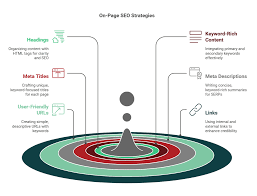
    On-page SEO is about optimizing the content on your actual web pages. It’s about making it easy for search engines to understand your topic and its relevance. This includes using your keywords naturally within your content.

    Your title tag and meta description are super important. The title tag is what shows up in the browser tab and as the main headline in search results. It should be clear, concise, and include your primary keyword.

    The meta description is the short snippet that appears below the title in search results. It’s your chance to entice someone to click. It should summarize your content and include a call to action, like “Learn more.”

    Using your main keyword in the first paragraph of your article is a good practice. It tells search engines right away what the page is about. Also, sprinkle related keywords (LSI keywords) throughout your content.

    This helps search engines understand the broader context of your topic. For example, if your main keyword is “budgeting for young families,” related terms might be “saving money,” “financial planning,” “family expenses,” and “cost of living.”

    Internal linking is another powerful on-page SEO tactic. This means linking from one page on your site to another. If you have an article about saving money on groceries, link to it from your article about meal planning.

    This helps users find more related content. It also helps search engines discover and index all your pages. It’s like creating a helpful roadmap for your visitors.

    Image optimization is also part of on-page SEO. When you upload images, use descriptive file names and add alt text. Alt text is a description of the image.

    It helps search engines understand what the image is about. It’s also important for accessibility for visually impaired users. So, instead of `IMG_1234.jpg`, use `budget-friendly-family-meal-prep.jpg`.

    And the alt text could be “A colorful spread of budget-friendly family meals prepared for the week.”

    My own experience with on-page SEO taught me a lot. Initially, I just wrote what I wanted to say. But I noticed my posts weren’t getting found.

    I started focusing more on these on-page elements. I made sure my main keyword was in my title, meta description, and first paragraph. I started adding internal links.

    It took time, but the difference was noticeable.

    Key On-Page SEO Elements

    • Title Tags: Your main headline in search results.
    • Meta Descriptions: A short summary to encourage clicks.
    • Keyword Usage: Naturally include primary and related terms.
    • Internal Linking: Connect your pages to keep readers engaged.
    • Image Alt Text: Describe images for search engines and accessibility.

    Technical SEO: Making Your Site User-Friendly and Accessible

    Technical SEO is all about the behind-the-scenes stuff. It ensures your website is built in a way that search engines can easily crawl, understand, and index. It also ensures a great experience for your visitors.

    One of the most critical aspects is website speed. Slow websites frustrate users and search engines alike. People will leave if a page takes too long to load.

    There are many ways to improve speed. This includes optimizing images, using good hosting, and minimizing code. I’ve learned that even small improvements here can make a big difference.

    I used to have a slow site and didn’t realize how much it hurt my traffic. When I fixed it, I saw immediate gains.

    Mobile-friendliness is non-negotiable. Most people search on their phones. Your website must look and work perfectly on a small screen.

    Google prioritizes mobile-friendly sites. If yours isn’t, you’re going to fall behind. This means clear buttons, readable text without zooming, and easy navigation on a phone.

    Website security is also vital. Using HTTPS (a secure connection) is a must. It shows visitors that their data is safe.

    Google also prefers secure websites. It’s a trust signal for both users and search engines.

    Having a clear site structure and navigation makes it easy for both users and search engines to find your content. A well-organized site with logical categories helps everyone. Think of it like a library.

    If the books are messy, it’s hard to find anything. If they are organized by subject, it’s much easier.

    Schema markup is another technical element. It’s code you add to your website that helps search engines understand the content on your pages in a more structured way. For example, you can use schema to tell Google that a specific page contains a recipe, an event, or a product.

    This can lead to rich snippets in search results, which can increase your click-through rates. I’ve seen how schema can make a recipe post stand out with star ratings and cook times right in the search results.

    It might sound complicated, but many website platforms offer tools to help with these technical aspects. The goal is to create a solid foundation so your great content can shine. It’s about removing any barriers for your visitors and for Google.

    This ensures your hard work in content creation isn’t wasted.

    Technical SEO Checklist

    • Website Speed: Optimize for fast loading times.
    • Mobile-Friendliness: Ensure a great experience on all devices.
    • HTTPS Security: Protect your users and build trust.
    • Site Structure: Organize content logically with clear navigation.
    • Schema Markup: Help search engines understand your content better.

    Building Authority and Trust (E-E-A-T)

    In the world of SEO, E-E-A-T is a big deal. It stands for Experience, Expertise, Authoritativeness, and Trustworthiness. Google wants to show users the best possible information.

    This means content from sources that have these qualities.

    Experience: This is about showing you’ve lived through it. For a frugal living blog, this means sharing personal stories. Talk about the time you accidentally overspent and what you learned.

    Describe a successful budget meal you made. Your real-life experiences add immense value. I know when I read a post about budgeting, I trust it more if the author shares their own struggles and successes.

    It makes them human.

    Expertise: This means demonstrating that you know what you’re talking about. While you don’t need formal degrees for many blogging topics, you need to show you’ve done your research. Back up your tips with facts or logical reasoning.

    If you’re talking about financial planning, cite reputable sources. When you explain things clearly and accurately, you show expertise. It’s about being a reliable source of information.

    Authoritativeness: This is about how well-known and respected you are in your niche. It’s built over time. Getting links from other reputable websites in the frugal living or parenting space can help.

    Being mentioned or featured on other sites is a strong signal. It means others in your field recognize your value. Building relationships with other bloggers can also help here.

    Collaboration is key.

    Trustworthiness: This is paramount. Be honest and transparent. Disclose any affiliate links or sponsored content clearly.

    Provide accurate information. Have clear contact information on your site. Have a privacy policy.

    When users trust you, they’re more likely to return and recommend your site. This is especially important when giving advice that affects people’s finances or families.

    Focusing on these four pillars will not only help your SEO but also build a loyal community around your blog. People want to learn from people they trust. They want advice from those who have walked the walk.

    Your authentic voice and helpfulness will shine through. That’s the real secret sauce.

    Building E-E-A-T for Your Frugal Living Blog

    • Experience: Share personal stories and real-life examples.
    • Expertise: Demonstrate deep knowledge through accurate information.
    • Authoritativeness: Earn recognition through links and mentions from other sites.
    • Trustworthiness: Be honest, transparent, and provide reliable advice.

    Off-Page SEO: Building Your Site’s Reputation

    Off-page SEO refers to activities done outside of your website to improve its search engine ranking. It’s about building your site’s reputation and authority on the internet.

    The most significant part of off-page SEO is link building. This means getting other websites to link to your content. When a reputable site links to yours, it’s like a vote of confidence.

    Search engines see this as a signal that your content is valuable and trustworthy. Think of it as a recommendation.

    How do you get these links? High-quality content is the first step. If you create amazing, unique, and helpful content, other bloggers and websites will want to link to it.

    You can also try outreach. This involves contacting other websites and letting them know about your great content, especially if it’s relevant to something they’ve written.

    Another off-page strategy is social media promotion. While social media links don’t directly boost SEO rankings like backlinks, they can drive traffic to your site. More traffic means more potential for others to discover your content and link to it.

    Sharing your articles on platforms like Facebook, Pinterest, and Instagram can be very effective for reaching young families.

    Guest blogging is another powerful tactic. This involves writing articles for other blogs in your niche. You get to share your expertise, reach a new audience, and usually get a link back to your own website.

    It’s a win-win. I’ve had great success with guest posting on parenting and finance blogs. It really helps get my name out there.

    Online reviews and mentions are also part of off-page SEO. If your brand or website is mentioned positively on other sites or forums, it can contribute to your authority. Engaging in online communities where your target audience hangs out can also indirectly help.

    You become a known and trusted voice.

    It’s important to get these links and mentions naturally. Avoid shady tactics like buying links. Google penalizes websites that engage in link schemes.

    The focus should always be on creating value that earns these links and mentions.

    I remember when I first started trying to get links. It felt like shouting into the void. But slowly, by focusing on creating truly excellent content and building genuine relationships with other bloggers, I started seeing results.

    It takes patience and persistence. But the payoff in terms of traffic and authority is huge. The effort is well worth it for a frugal living blog where trust is so important.

    Strategies for Off-Page SEO

    • Link Building: Earn backlinks from reputable websites.
    • Social Media Promotion: Share content and drive traffic.
    • Guest Blogging: Write for other sites to gain exposure and links.
    • Online Mentions: Encourage positive mentions and reviews.
    • Community Engagement: Be an active, helpful voice online.

    Measuring Your Success and Adapting

    SEO isn’t a “set it and forget it” thing. It’s an ongoing process. You need to track your progress and make adjustments.

    This is where analytics come in.

    Google Analytics is your best friend here. It shows you how much traffic your website is getting. It tells you where that traffic is coming from.

    It shows you which pages are most popular. You can see how long people are staying on your site and which pages they leave from. This data is invaluable.

    Google Search Console is another essential tool. It shows you how your site is performing in Google search results. It tells you which keywords people are using to find your site.

    It alerts you to any technical errors on your site that might be hurting your rankings. It’s like a direct line to Google.

    Look at your search rankings. Are you climbing the ladder for your target keywords? Are you getting more clicks from search results?

    Are people spending more time on your site? Are they visiting more pages per session? These are all good signs.

    If something isn’t working, don’t be afraid to change it. Maybe a particular type of content isn’t performing well. Try a different approach.

    Maybe a certain keyword isn’t bringing in the right traffic. Focus on others. The search landscape is always changing.

    What works today might need tweaking tomorrow.

    For a frugal living blog, this means staying in tune with current economic trends. Are people suddenly searching more for “gas saving tips” due to rising prices? Adapt your content calendar to meet those emerging needs.

    I always check my analytics weekly. It helps me see what’s buzzing and what’s not. It lets me pivot quickly if needed.

    This adaptability is key to long-term success. It ensures you’re always providing relevant and timely help to your audience.

    Tools for Tracking SEO

    • Google Analytics: Monitor website traffic and user behavior.
    • Google Search Console: Track search performance and identify errors.
    • Search Rankings: See where your site appears for target keywords.
    • User Engagement Metrics: Analyze time on page, bounce rate, and pages per session.

    Common Pitfalls to Avoid

    Even with the best intentions, it’s easy to stumble when doing SEO. Here are some common traps to sidestep:

    Keyword Stuffing: This is when you cram too many keywords into your content. It makes your writing sound unnatural and hurts readability. Search engines are smart; they can tell when you’re trying to game the system.

    Focus on natural language. Never repeat keywords unnecessarily.

    Ignoring Mobile Users: If your site isn’t mobile-friendly, you’re alienating a huge chunk of your audience. Make sure your design works perfectly on phones and tablets. It’s no longer optional; it’s essential for reaching families.

    Writing Only for Search Engines: Your primary audience is people, not bots. While SEO is important, your content must be valuable and engaging for humans first. If it’s hard to read or doesn’t offer real help, people won’t stay, no matter how well it’s optimized.

    Expecting Overnight Results: SEO takes time. It can take months to see significant results. Be patient and consistent.

    Focus on creating great content and building your site’s authority over the long haul. I’ve seen many new bloggers get discouraged because they don’t rank immediately. But consistency is rewarded.

    Not Updating Content: Information can become outdated. Periodically review and update your older posts. Add new information, check for broken links, and ensure the advice is still relevant.

    This keeps your content fresh and valuable for both users and search engines.

    Ignoring User Experience: A cluttered website, confusing navigation, or annoying pop-ups can drive visitors away. Prioritize a clean, easy-to-use experience. This includes good readability and a logical flow.

    It’s about making it a pleasure for families to find the frugal tips they need.

    Common SEO Mistakes

    • Overuse of Keywords: Focus on natural language and readability.
    • Poor Mobile Experience: Ensure your site is mobile-friendly.
    • Content Quality Neglect: Always prioritize value for human readers.
    • Impatience: SEO is a long-term strategy; be consistent.
    • Outdated Content: Regularly update and refresh your articles.
    • Bad User Experience: Make your site easy and pleasant to navigate.

    The Future of SEO for Frugal Living Blogs

    The SEO landscape is always evolving. Search engines are getting smarter. They are focusing more on understanding the intent behind searches and providing the most helpful, trustworthy answers.

    For frugal living blogs targeting young families, this means a few things are becoming even more important.

    Voice Search: More people are using voice assistants like Alexa and Google Assistant. These searches are often more conversational and question-based. This reinforces the need for clear, natural language in your content.

    Writing content that directly answers questions like “What’s the cheapest way to feed a family of four this week?” will become even more crucial.

    E-A-T Signals: As mentioned before, Experience, Expertise, Authoritativeness, and Trustworthiness are vital. Google wants to show users information from reliable sources. For topics like finance and family well-being, this is non-negotiable.

    Building your credibility as a trusted voice in the frugal living community is key.

    User Experience: Google will continue to prioritize websites that offer a great user experience. This includes fast loading times, mobile-friendliness, easy navigation, and engaging content. If your site is hard to use, even the best content won’t be seen.

    Topic Authority: Instead of just ranking for individual keywords, search engines are looking for sites that are authorities on broader topics. If you consistently publish high-quality content about all aspects of frugal living for families, Google will see you as a go-to resource. This means covering a range of related sub-topics thoroughly.

    The core of any successful SEO strategy remains the same: provide valuable, high-quality content that genuinely helps your target audience. For young families looking for frugal living tips, this means being a reliable, empathetic, and knowledgeable resource. By focusing on clear communication, building trust, and understanding what your audience truly needs, you’ll build a strong online presence that lasts.

    It’s about being a helpful friend in their journey to manage their finances and their homes better.

    I’ve found that the best way to stay ahead is to keep learning and adapting. The tools and techniques might change, but the fundamental principle of helping people remains the same. When you focus on genuinely helping families save money and live better, your SEO will naturally follow.

    It’s a journey, and I’m excited to see where it takes us all.

    Frequently Asked Questions About Frugal Living SEO

    What is the most important factor for SEO on a frugal living blog?

    The most important factor is creating high-quality, genuinely helpful content that directly answers the questions and solves the problems of young families seeking to save money. This builds trust and keeps readers engaged, which search engines reward.

    How long does it take to see SEO results for a new blog?

    It typically takes several months, often 3-6 months or even longer, to start seeing significant results from SEO efforts. Consistency in publishing valuable content and implementing SEO best practices is key.

    Should I focus on many keywords or just a few?

    It’s best to focus on a core set of primary keywords relevant to your niche and then target a wider range of related, long-tail keywords. This approach helps you rank for specific searches while also building broader topic authority.

    How can I make my frugal living content more trustworthy?

    Be transparent about any sponsored content or affiliate links. Cite reliable sources when needed. Share your personal experiences and be honest about your own journey.

    Ensure your advice is practical and safe.

    Is it better to write long or short articles for SEO?

    Both can work, but longer, in-depth articles (often 1000+ words) tend to perform better for competitive topics because they can cover a subject more comprehensively. However, always prioritize readability and value over length. Short, focused articles are great for answering very specific questions.

    How important are social media shares for SEO?

    Social media shares don’t directly impact search engine rankings as much as backlinks do. However, they can drive significant traffic to your site, increase brand awareness, and lead to more people discovering your content and potentially linking to it, which indirectly helps SEO.

    Conclusion

    Building a successful frugal living blog for young families takes effort, but by focusing on smart SEO strategies, you can connect with the people who need your advice most. Remember to create helpful content, optimize your site technically, build trust, and be patient. Your voice and your tips can make a real difference for families looking to save money and live better.


  • Get Sponsors Frugal Living For Young Famili Newsletter

    Get Sponsors Frugal Living For Young Famili Newsletter

    Trying to make ends meet while sharing your frugal living journey can feel tough. You pour your heart into helping others save money. But sometimes, the costs of running a newsletter add up.

    Maybe you’re looking for a little help to keep it going strong. It’s a common worry for many families trying to live smart.

    This guide is here to help. We’ll walk through how families like yours can find sponsors. You’ll learn what makes a newsletter attractive to potential supporters.

    We’ll cover finding the right partners and making them want to back your work. Get ready to see your newsletter thrive.

    Finding sponsors for a frugal living newsletter involves showing your value to businesses that want to reach your audience. Focus on your engaged community and clear mission. You can attract support by highlighting your audience’s interests in savings, smart shopping, and family well-being.

    This often leads to mutually beneficial partnerships.

    Understanding Newsletter Sponsorship for Families

    Think of sponsors as friends who help your newsletter grow. They give you money or products. In return, you tell your readers about them.

    For families focused on frugal living, this can be a game-changer. It means you can keep sharing your helpful tips without the constant worry of costs.

    Sponsorships are not about selling out. They are about finding brands that align with your values. Brands that truly care about saving money.

    Brands that want to help families live better lives. When you find these partners, everyone wins. Your readers get helpful recommendations.

    You get support. The sponsor gets to connect with people who want what they offer.

    Why Businesses Sponsor Frugal Living Newsletters

    Businesses want to reach people who are ready to buy. For a frugal living newsletter, your readers are gold. Why?

    Because they are actively looking for ways to save money. They are smart shoppers. They pay attention to deals.

    They value products and services that help them stretch their budget further.

    Imagine a company that sells affordable, healthy meal kits. They know your readers are interested in saving on groceries. They want to show them how their kits can be a cost-effective solution.

    Or think about a brand that makes durable, long-lasting kids’ clothing. Frugal families often look for quality that lasts. This is a perfect match.

    Businesses also sponsor because they want to be seen as helpful. Supporting a newsletter that guides families towards smarter spending shows they care. It builds goodwill.

    It tells people that the brand is part of the solution, not the problem. It’s a way to connect on a deeper level than just selling a product.

    Building Your Frugal Living Newsletter’s Appeal

    To attract sponsors, your newsletter needs to shine. It’s not just about having readers. It’s about having the right readers.

    Sponsors want to know your audience is engaged and interested in what they offer. This means you need to build a strong community around your newsletter.

    What makes your newsletter special? It’s your unique voice. It’s the real stories you share.

    It’s the practical, actionable advice you give. Maybe you focus on meal planning on a tight budget. Or perhaps you share tips for finding free or low-cost entertainment for kids.

    Whatever your focus, make it clear and consistent.

    Key Elements for Sponsor Appeal

    Clear Niche: Know exactly what your newsletter is about. Are you about extreme couponing? Budget travel?

    DIY home repairs? Be specific.

    Engaged Audience: Show that your readers interact. Do they reply to your emails? Do they comment on your blog posts (if you have one)?

    Do they share your content?

    Consistent Value: Regularly provide helpful, trustworthy information. This builds loyalty.

    Professional Presentation: A clean, easy-to-read design matters. Ensure your emails look good and are error-free.

    Strong Metrics: Keep track of your open rates, click-through rates, and subscriber growth. These numbers are important to sponsors.

    Your frugal living community is your biggest asset. When sponsors see that your readers trust your recommendations, they’ll be interested. They want to tap into that trust.

    Identifying Potential Sponsors

    Finding the right sponsors is like finding the perfect recipe. It takes a little research and a good understanding of what works. You want brands that your readers will genuinely like and benefit from.

    Think about the products and services you already use and love because they help you save money.

    Start by looking at brands that are popular within the frugal living community. What companies often advertise at local farmers’ markets? What brands do you see on social media groups focused on saving money?

    What companies offer products or services that directly solve problems for families trying to cut costs?

    Consider companies that offer things like:

    • Affordable grocery stores or brands
    • Discount retailers
    • Coupon or cashback apps
    • DIY and home improvement stores with budget options
    • Secondhand clothing or goods providers
    • Affordable family entertainment options
    • Financial planning tools for families
    • Energy-saving products

    Don’t forget about local businesses. A local bakery that offers affordable treats or a nearby mechanic known for fair prices could be great sponsors. They often want to support their community and reach local families.

    Where to Look for Sponsors

    Brands You Use: If a product helps you save, it might help others. Contact them!

    Competitor Analysis: See who sponsors other frugal living blogs or newsletters. Note them down.

    Industry Events: Attending or following frugal living conferences or expos can reveal potential partners.

    Social Media Hashtags: Search for relevant hashtags like #frugalliving, #budgetfriendly, #familyonabudget. See which brands are active there.

    Affiliate Networks: Sometimes, brands found on affiliate networks are open to direct sponsorships if you have a strong audience.

    It’s all about alignment. A sponsor that makes sense for your audience feels natural. It doesn’t feel like an advertisement.

    It feels like a helpful tip.

    Crafting Your Sponsorship Pitch

    Once you have a list of potential sponsors, it’s time to reach out. Your pitch needs to be clear, concise, and persuasive. You need to show them why sponsoring your newsletter is a smart move for their business.

    Don’t just ask for money. Offer them value.

    Start with a personalized email. Address it to the right person if you can find them. This might be a marketing manager or partnerships coordinator.

    Mention something specific about their brand that you admire or that fits your newsletter’s theme. This shows you’ve done your homework.

    Then, introduce your newsletter. Briefly explain what it’s about and who your audience is. Highlight the unique aspects of your community.

    Focus on the benefits for the sponsor. Use your metrics here: your subscriber count, average open rates, and click-through rates. Show them the power of your engaged readers.

    Explain what you are offering. This could be a sponsored mention in your newsletter, a dedicated email, or a featured spot on your website. Be clear about what they get in return for their support.

    Elements of a Strong Pitch

    Personalization: Address by name if possible. Reference their brand.

    Introduction: Briefly state who you are and what your newsletter offers.

    Audience Profile: Describe your readers and their interests (e.g., “Our 5,000 subscribers are actively seeking ways to save on family essentials.”)

    Value Proposition: Explain how sponsoring you benefits them (e.g., “Access to a highly targeted audience interested in budget-friendly home solutions.”)

    Offer Details: Clearly outline what sponsorship includes (e.g., “One sponsored blurb in our weekly newsletter, reaching over 80% of our subscribers.”)

    Call to Action: Suggest a next step (e.g., “Would you be open to a brief call next week to discuss this further?”)

    Remember, sponsors want to see a return on their investment. Your pitch should clearly demonstrate that you can deliver that return. Showing them how your frugal living newsletter helps them connect with their ideal customers is key.

    Types of Sponsorships Available

    Sponsorships come in many shapes and sizes. What works best for your newsletter might depend on your audience size and engagement. It also depends on what a sponsor is looking for.

    Being flexible can open up more opportunities.

    Here are some common ways businesses can sponsor your newsletter:

    • Sponsored Mentions: This is the most common. You dedicate a short section of your newsletter to a sponsor. You might include a brief description of their product or service and a link.
    • Dedicated Emails: A sponsor might pay for an entire email to be sent to your subscriber list. This offers more space to highlight their offerings.
    • Product Reviews/Features: If a sponsor’s product is a good fit, you can offer to review it or feature it prominently. Ensure this is always disclosed.
    • Giveaways and Contests: You can partner with a sponsor to offer a giveaway to your readers. They provide the prize, and you promote it. This can be great for engagement.
    • Affiliate Marketing: While not always a direct sponsorship, earning commissions by promoting a sponsor’s product is a form of support.

    For family newsletters, look for sponsors who offer family-friendly products. This could be anything from educational toys to healthy snacks. Brands that support family well-being often align well with frugal living principles.

    Sponsorship Offer Examples

    Package 1: “Family Saver”

    1 sponsored blurb (50 words) in 4 weekly newsletters.

    Package 2: “Budget Booster”

    1 sponsored blurb (50 words) in 4 weekly newsletters + 1 social media shout-out.

    Package 3: “Community Partner”

    1 dedicated email blast to our subscribers.

    Be clear about what’s included in each sponsorship. Transparency is crucial. Your readers need to know when content is sponsored.

    Pricing Your Sponsorships

    Figuring out how much to charge can be tricky. It’s a balance between valuing your work and being affordable for potential sponsors. You don’t want to overprice yourself out of the market.

    But you also don’t want to undervalue the community you’ve built.

    Several factors influence pricing:

    • Subscriber Count: How many people receive your newsletter?
    • Engagement Rates: What are your open and click-through rates? Higher rates mean more eyes on the sponsor’s message.
    • Audience Demographics: Who are your subscribers? What are their ages, locations, and interests? Niche audiences can be more valuable.
    • Your Effort: How much time and energy do you put into creating content and managing relationships?
    • Type of Sponsorship: A dedicated email will cost more than a small mention.

    A good starting point is to research what similar newsletters charge. You can often find this information by looking at their media kits. If they don’t have one, you might see pricing listed on their website.

    As a general guideline, some people charge per newsletter sent or a monthly fee. For a smaller, engaged community, you might start with a few hundred dollars per sponsorship. As your list grows and engagement increases, you can raise your prices.

    Pricing Considerations

    Small List (Under 1,000): Focus on building relationships and offering value. Maybe start with product exchanges or very low fees ($50-$150 per mention).

    Medium List (1,000-5,000): You can start charging more ($150-$500 per mention or package).

    Large List (5,000+): With strong engagement, prices can increase significantly ($500+ per mention, with higher rates for dedicated emails).

    Always Disclose: Clearly mark sponsored content. This builds trust with your audience.

    Be confident in your numbers. You are offering a valuable connection to a loyal audience interested in frugal living. That has real worth.

    Building Trust with Your Audience

    The most important thing for any frugal living newsletter is trust. Your readers rely on you for honest advice. If you start recommending products or services that aren’t good or don’t align with your values, you’ll lose that trust.

    And once it’s gone, it’s very hard to get back.

    Always be transparent with your readers. Clearly label sponsored content. Use phrases like “Sponsored by,” “Thanks to our sponsor,” or “This post is brought to you by.” This way, readers always know when they are reading a paid promotion.

    Only partner with brands that you genuinely believe in. Would you recommend this product or service to your best friend? If the answer is no, then don’t recommend it to your readers.

    Your integrity is worth more than any sponsorship fee.

    Think about the user experience. Make sure sponsored links work. Ensure the landing pages for sponsored products are clear and easy to navigate.

    A bad experience for a reader, even from a sponsor, reflects poorly on you.

    Maintaining Reader Trust

    Full Disclosure: Always state when content is sponsored.

    Genuine Endorsement: Only partner with brands you truly trust and use.

    Value First: Ensure sponsored content still offers value to the reader.

    No Spamming: Don’t overwhelm your readers with too many promotions.

    Respect Privacy: Be mindful of subscriber data and privacy policies.

    Your audience is your community. Treat them with respect. This is how you build a sustainable income stream from sponsorships.

    Legal and Ethical Considerations

    When you start working with sponsors, there are some rules and guidelines to follow. These are mostly to protect your readers and ensure fairness. The Federal Trade Commission (FTC) in the U.S.

    has specific rules about endorsements and advertising.

    The main principle is disclosure. If you have a “material connection” with a brand – meaning you’re getting paid, or you’re getting free products – you must disclose it. This applies to blog posts, social media, and newsletters.

    Make sure your sponsorship agreements are clear. What are the terms? What are the deliverables?

    What is the payment schedule? Having a written agreement protects both you and the sponsor.

    For families, this is especially important. You want to set a good example. Being transparent and ethical builds a strong foundation for your newsletter.

    It shows that you are serious about providing value and maintaining integrity.

    Key Legal Points

    FTC Guidelines: Always disclose sponsored content clearly and conspicuously.

    Honest Claims: Ensure any claims you make about a sponsor’s product are truthful and reflect your own experience.

    Contractual Agreement: Use a written contract for all sponsorship deals.

    Payment Terms: Clearly define payment amounts, schedules, and methods.

    End Date: Specify the duration of the sponsorship or campaign.

    By following these guidelines, you can build a responsible and profitable sponsorship program for your frugal living newsletter.

    Measuring Success and Reporting Back

    Once a sponsorship campaign runs, it’s important to measure its success. Sponsors want to know their money was well spent. They want to see results.

    This data is also valuable for you. It helps you understand what works and what doesn’t, so you can improve your offerings.

    What metrics should you track? This depends on what was agreed upon. Common metrics include:

    • Click-Through Rate (CTR): How many people clicked the sponsor’s link compared to how many received the email?
    • Website Traffic: Did the sponsor see an increase in traffic from your newsletter?
    • Sales/Conversions: If a unique discount code was used, how many times was it redeemed?
    • Engagement: Did readers comment or reply about the sponsored product?

    After the campaign, provide your sponsor with a report. This report should summarize the key metrics. Highlight the positive outcomes.

    If possible, include testimonials or positive feedback from your readers. This shows them the real impact of their sponsorship.

    Sponsorship Report Essentials

    Campaign Overview: Briefly state the campaign dates and what was promoted.

    Key Metrics: Include open rates, click-through rates, and any other agreed-upon numbers.

    Audience Feedback: Share any positive comments or engagement metrics.

    Summary of Results: Briefly explain what the data shows.

    Future Opportunities: Express interest in future collaborations.

    A good report builds a strong relationship. It makes sponsors want to work with you again. It shows you are professional and results-oriented.

    This is vital for long-term success with frugal living sponsorships.

    Real-Life Examples and Inspiration

    Seeing how others have succeeded can be very motivating. Many frugal living bloggers and newsletter creators have found creative ways to partner with brands. These partnerships often feel natural and helpful to readers.

    For instance, a blogger focused on affordable family travel might partner with a budget airline or a rental car company. They could offer travel tips and then highlight a special deal from their sponsor. The readers get valuable advice and a discount, and the airline gets targeted promotion.

    Another example is a newsletter dedicated to teaching families how to cook healthy meals on a budget. They might partner with a brand that sells affordable, organic produce or a company that offers cost-effective kitchen gadgets. These partners directly help the newsletter’s mission.

    One family I know runs a newsletter about DIY home improvements for less. They often partner with hardware stores that offer good value or companies that make durable, low-cost tools. They’ll share a project idea and then link to a sponsor’s product that makes the project easier and cheaper.

    What stands out in these examples is the clear connection between the sponsor’s offering and the newsletter’s core message. The readers don’t feel like they are being sold to. They feel like they are being helped.

    This is the goal for any successful frugal living sponsorship.

    Inspirational Case Snippets

    The Meal Prep Maven: Features a new budget-friendly pantry staple each month, partnered with a national grocery chain known for its affordable prices. Readers get recipe ideas and discounts.

    The Thrifty Mom: Showcases second-hand fashion finds for kids and partners with online consignment stores. They offer readers early access to sales or special promo codes.

    The DIY Dad: Explains how to build simple home items using basic tools. He partners with a tool company that offers reliable, cost-effective equipment.

    These examples show that with creativity and a focus on value, you can find sponsors that truly benefit your audience and support your work.

    When to Start Seeking Sponsors

    There’s no single “right” time to start seeking sponsors. However, there are some indicators that suggest your newsletter might be ready.

    Firstly, consider your subscriber count. While there’s no magic number, many newsletters start looking for sponsors when they reach around 1,000 engaged subscribers. This number shows you have a consistent audience that businesses might want to reach.

    Secondly, look at your engagement rates. Are people opening your emails? Are they clicking on the links you share?

    High open and click-through rates (above industry averages) signal an active and interested audience. This is very attractive to potential sponsors.

    Thirdly, think about the quality of your content and your community. Have you been consistently providing value for a while? Have readers started to engage with you, perhaps by replying to emails or asking questions?

    A strong, loyal community is a major selling point.

    Don’t wait until you’re desperate for income. Start building relationships and understanding the sponsorship landscape early on. Even if you’re not actively seeking sponsors, you can start identifying brands that align with your values.

    This preparation will make the process smoother when you are ready.

    Readiness Checklist

    Subscriber Growth: Have you seen steady growth in your subscriber list?

    Engagement Levels: Are your open and click-through rates healthy?

    Consistent Value: Do you consistently deliver helpful content?

    Community Interaction: Do readers engage with your content?

    Clear Niche: Is your newsletter’s focus well-defined?

    Starting early allows you to build a strong foundation. It ensures that when you do seek sponsors, you’re presenting yourself in the best possible light. This is key for securing beneficial partnerships for your frugal living newsletter.

    Your Next Steps

    So, where do you go from here? The journey to securing sponsors for your frugal living newsletter is exciting. It’s a path that can bring both financial support and new connections.

    First, take a good look at your newsletter and your audience. What makes it unique? What value do you offer?

    Start tracking your key metrics like subscriber numbers and engagement rates. If you aren’t already, make a plan to improve them.

    Next, create a list of potential sponsors. Think about brands that genuinely align with your message of saving money and smart living. Reach out to them with a personalized and compelling pitch.

    Remember to highlight the value you bring to them.

    Be patient and persistent. Not every pitch will result in a sponsorship. But each one is a learning opportunity.

    Keep refining your approach. Keep building your community. Keep delivering exceptional value to your readers.

    As your newsletter grows, so will your opportunities. By focusing on authenticity and value, you can build a thriving community and find the support you need to keep sharing your frugal living wisdom.

    Frequently Asked Questions about Frugal Living Newsletter Sponsorships

    How many subscribers do I need before I can get sponsors?

    There’s no strict number, but many start looking around 1,000 engaged subscribers. Quality of engagement often matters more than sheer quantity. High open and click-through rates are key indicators.

    What if my newsletter is very niche?

    A niche audience can be very attractive to the right sponsors. Businesses often prefer reaching a highly targeted group of people who are genuinely interested in what they offer. Clearly define your niche and highlight its value in your pitch.

    How do I know if a sponsor is a good fit?

    A good fit means the sponsor’s products or services align with your newsletter’s values and your audience’s interests. Would you honestly recommend this to a friend? Does it help your readers save money or live better on a budget?

    If yes, it’s likely a good fit.

    Do I need a media kit?

    A media kit is highly recommended. It’s a professional document that showcases your newsletter’s stats, audience demographics, and sponsorship opportunities. It makes your pitch stronger and more credible.

    What if I can’t find paid sponsors initially?

    You can start with non-monetary sponsorships. This could involve product exchanges (e.g., receiving free products in exchange for a review or mention). This builds your portfolio and can lead to paid partnerships later.

    How do I handle too many sponsorship requests?

    As your newsletter grows, you might get many requests. Be selective. Only accept sponsorships that align with your brand and provide value to your readers.

    You can set clear criteria for the types of sponsors you work with.

    Conclusion

    Finding sponsors for your frugal living newsletter is a journey of building value and connection. Focus on your community, your message, and ethical partnerships. Your dedication to helping families save money is a powerful asset.

    With the right approach, you can secure support that allows your important work to continue and grow.

  • Create Digital Product Frugal Living For Young Famili

    Create Digital Product Frugal Living For Young Famili

    Young families can create digital products while practicing frugal living by focusing on low-cost tools, leveraging free marketing, prioritizing essential business expenses, and making conscious spending choices at home. This approach allows for financial stability and business growth without sacrificing family needs or comfort.

    Understanding Frugal Living for Families

    Frugal living is not about being cheap. It’s about being smart. It’s about making your money work harder for you.

    For young families, this is key. You have many expenses. Think about diapers, food, and future college funds.

    Frugal living helps you manage these. It frees up cash. This cash can go into your dream project.

    It can go into your digital product idea. Or it can help you live more comfortably right now.

    It’s about conscious spending. You look at where money goes. You ask if it’s truly needed.

    Or if there’s a better way. This mindset is powerful. It’s also very practical.

    It helps you avoid debt. It builds savings. And it creates peace of mind.

    This is especially true when starting a new venture.

    Many think frugal means going without. That’s not the goal here. The goal is mindful consumption.

    It means finding joy in simple things. It means getting the most value. It’s about saying “yes” to what matters.

    And “no” to what doesn’t. For a young family, what matters is time together. It’s security.

    It’s building a better future.

    Why Digital Products and Frugality Mix

    Digital products are a great fit for frugal living. Think about it. You don’t need a big store.

    You don’t need lots of inventory. Most of the work is done on a computer. This means lower overhead costs.

    Costs are much lower than a physical business. You can often start with very little money.

    This aligns perfectly with a frugal mindset. You can build a business. You can create something valuable.

    But you don’t need to spend a fortune doing it. You can test ideas cheaply. You can grow slowly.

    This means less financial pressure. You can focus on quality. You can focus on serving your customers well.

    Imagine creating an online course. Or an e-book. Maybe some digital art.

    Or a helpful planner. These things don’t cost much to make. Once made, they can be sold many times.

    This makes them very profitable. Especially when you’re careful about your startup costs. Frugality helps you keep those costs down.

    It also means you can reinvest profits wisely. Instead of splurging, you put money back into your business. Or into savings.

    Or into experiences with your family. This is how you build wealth. This is how you create a stable life.

    It’s a smart, balanced approach.

    Low-Cost Tools for Digital Product Creation

    You don’t need fancy, expensive software to start. Many free or cheap tools do a great job. For writing, Google Docs is free.

    It’s powerful. It works on any device. For design, Canva offers a free tier.

    It has tons of templates. You can create beautiful graphics easily. Many use it for social media images too.

    For video editing, DaVinci Resolve has a free version. It’s professional grade. It can handle most needs.

    OpenShot is another free option. It’s simpler to learn. For audio, Audacity is a well-known free editor.

    It’s great for podcasts or voiceovers. Free stock photo sites like Unsplash and Pexels offer good images. You can use them without paying.

    Many platforms for selling digital products have free plans. Or low transaction fees. Think Gumroad or Payhip.

    They let you start selling without big upfront costs. You only pay when you make a sale. This fits the frugal model perfectly.

    You reduce risk. You control your spending.

    Learning new software can take time. But many of these tools have free tutorials online. YouTube is a treasure trove of free lessons.

    You can learn what you need. You can do it at your own pace. This saves money on courses.

    It also builds your skills. These are skills that can help you long-term.

    Frugal Tech Toolkit Essentials

    For Writing & Content:

    • Google Docs (Free)
    • LibreOffice (Free alternative to Microsoft Office)

    For Design & Graphics:

    • Canva (Free version)
    • GIMP (Free Photoshop alternative)

    For Video & Audio:

    • DaVinci Resolve (Free version)
    • Audacity (Free audio editor)

    For Selling & Hosting:

    • Payhip (Free to start, takes a small fee per sale)
    • Gumroad (Free to start, takes a small fee per sale)

    Smart Marketing on a Shoestring Budget

    Marketing is crucial. But it doesn’t have to cost a lot. Social media is your friend.

    You can build an audience. You can share your knowledge. You can show your personality.

    Posting consistently is key. Engage with your followers. Respond to comments.

    This builds trust.

    Content marketing is also very effective. Start a blog. Share helpful articles.

    This shows you are an expert. It attracts people looking for solutions. Use keywords naturally.

    Think about what people search for. Google Analytics is free. It helps you see what’s working.

    It shows you where visitors come from. This helps you focus your efforts.

    Email marketing is powerful. Many services offer free plans for small lists. You can collect emails.

    You can send newsletters. You can announce new products. You can offer special deals.

    This builds a direct connection with your customers. It’s a very cost-effective way to sell.

    Collaborate with others. Find other creators in your niche. You can do guest posts.

    You can do social media takeovers. You can promote each other’s work. This expands your reach.

    It’s a win-win situation. It costs nothing but your time and effort.

    Don’t underestimate word-of-mouth. If your product is good, people will talk. Encourage reviews.

    Ask for testimonials. Positive feedback is free advertising. It’s also very credible.

    People trust recommendations from friends.

    Free Marketing Channels to Explore

    • Social Media Platforms: Focus on 1-2 where your audience hangs out.
    • Blogging: Share your expertise and attract organic traffic.
    • Email Lists: Build relationships and promote directly.
    • Collaborations: Partner with other creators for mutual benefit.
    • Online Communities: Participate in forums and groups related to your niche.

    Frugal Family Habits That Fuel Business Growth

    Your home life impacts your business. Frugal habits at home can free up time and money. This is precious when you have a young family.

    Meal prepping is a big one. It saves money. It saves time.

    It reduces stress. You spend less on eating out. You use ingredients efficiently.

    DIY projects around the house can save money. Instead of hiring someone, learn to fix things yourself. Or make them.

    This applies to many areas. Think simple repairs or creating decor. These skills can even inspire product ideas.

    For example, you might create a DIY guide.

    Bulk buying can save money on staples. But be smart. Only buy what you will use.

    Don’t let food spoil. Think about cleaning supplies or diapers. Buying in larger quantities often means lower per-unit cost.

    Entertainment doesn’t need to be expensive. Parks, libraries, and free local events are great. For work, try to create a dedicated workspace.

    Even a corner of a room helps. This separation helps focus. It makes you more productive.

    This means less wasted time. Time is money, especially for busy parents.

    Borrowing or buying used items is smart. Think about baby gear. Or books.

    Or even office furniture. Many items are used for a short time. They are still in great condition.

    This saves a lot of money compared to buying new.

    This approach to home life creates a supportive environment. It shows your children the value of resourcefulness. It models good financial habits.

    These lessons are invaluable. They extend beyond just business.

    Prioritizing Business Expenses Wisely

    When you’re frugal, every dollar counts. You need to be very selective about business spending. Ask yourself: “Does this expense directly help me make money or reach customers?” If the answer is “no” or “maybe,” look for a cheaper alternative or skip it for now.

    Things like a fancy website theme are often unnecessary at first. A simple, clean design is fine. Focus on clear messaging.

    And easy navigation. A fast, reliable hosting plan is important. But you don’t need the most expensive one.

    Start with a shared plan. Upgrade later if needed.

    Marketing tools can add up. Be very critical. Do you really need that premium social media scheduler?

    Or can you manage with free tools and a manual process for a while? Focus on the tools that give the biggest return. Often, that’s your email marketing service.

    Or a good analytics tool.

    Education is an investment. But be careful. There are many expensive courses.

    Look for free webinars. Read books from the library. Follow experts who offer free advice.

    Only pay for courses if they offer unique, high-value content you can’t get elsewhere. And ensure it’s directly applicable to your business goals.

    Your time is a major resource. Think about outsourcing tasks. But only when it makes financial sense.

    If a task takes you many hours. And you can pay someone less than your hourly rate to do it. Then it might be worth it.

    However, for most young families starting out, doing it yourself is often the most frugal choice.

    The Frugal Business Expense Checklist

    • Must-Have: Reliable internet, basic computer, core software.
    • Consider Carefully: Website hosting, domain name, email marketing service.
    • Often Unnecessary Early On: Premium themes, expensive software subscriptions, paid advertising (unless proven profitable).
    • Invest Wisely: Education that offers clear ROI, tools that directly boost sales or efficiency.
    • Outsource Only When: Cost of outsourcing is less than your effective hourly rate for that task.

    My Own Frugal Journey with Digital Products

    I remember when I first started thinking about creating digital products. My youngest was just a toddler. My oldest was starting school.

    Money was tight. We were living on one income. The thought of adding another expense, like starting a business, felt impossible.

    But I really wanted to contribute more. And I had ideas I wanted to share.

    I felt that familiar pang of “I can’t afford this.” I saw all the ads for expensive courses and software. It made me feel like a failure before I even began. One evening, after putting the kids to bed, I sat at my old laptop.

    It was slow. The screen was a bit dim. I felt a wave of frustration.

    Then, I remembered something a mentor once told me: “Use what you have.”

    So, I opened up Google Docs. I started outlining my first e-book. It was about simple meal planning for busy parents.

    I used free images from Unsplash. I designed a cover using Canva’s free template. I researched selling platforms and found Payhip.

    They let me list my book for free. I only paid a small percentage when someone bought it. It felt so liberating!

    My first sale was a huge victory. It was maybe $15. But that $15 felt like a million dollars.

    It proved that I didn’t need a huge investment. I could create something valuable with minimal cost. It taught me patience.

    It taught me resourcefulness. And it showed me that my family’s needs came first. My business had to fit around our life, not the other way around.

    That e-book led to more ideas. I started a small blog sharing frugal tips. I used free social media to connect with other parents.

    It wasn’t glamorous. But it was steady. It was sustainable.

    And most importantly, it was affordable. It allowed me to build something real without putting my family into debt or stress.

    Real-World Scenarios: Frugal Families Thriving

    Let’s look at a few examples. The Miller family has two young children. They want to save for a down payment on a house.

    Mom used her graphic design skills. She created a set of printable art for nurseries. She used Etsy, which has low listing fees.

    She marketed on Pinterest, a visual platform perfect for her products. Her sales are steady. They don’t make her rich overnight.

    But they add a nice cushion to their savings each month.

    Then there’s the Chen family. Dad is a former teacher. He created an online course teaching kids basic coding skills.

    He used Teachable, which has a free plan to start. He promoted it on his personal Facebook. He also joined parent groups.

    He offered free webinars to showcase his teaching style. The course revenue helps them cover childcare costs. This lets Mom work part-time.

    It gives them more family time.

    Sarah, a new mom, felt isolated. She started a private Facebook group. She shared tips on making baby food from scratch.

    She also sold a digital guide. It had recipes and storage tips. She used a simple landing page.

    She grew her group by sharing valuable content. Her earnings are modest. But they help pay for extra classes for her child.

    It also gives her a sense of purpose outside of full-time parenting.

    These families aren’t spending thousands on ads or fancy studios. They are using their skills. They are using free or low-cost tools.

    They are connecting with people who need what they offer. Their frugal approach is what makes it possible. It reduces the pressure.

    It allows them to build gradually.

    Frugal Family Digital Product Examples

    Scenario 1: The Artist Parent

    • Product: Printable wall art, digital stickers, social media templates.
    • Skills Used: Graphic design, creativity.
    • Frugal Tools: Canva, Etsy, Pinterest, free stock photos.
    • Goal: Supplement savings for a down payment.

    Scenario 2: The Educator Parent

    • Product: Online courses, e-books, educational worksheets.
    • Skills Used: Teaching, subject matter expertise.
    • Frugal Tools: Teachable (free plan), YouTube, Facebook groups, email marketing (free tier).
    • Goal: Cover childcare expenses, enable part-time work for spouse.

    Scenario 3: The Niche Expert Parent

    • Product: Guides, recipes, community access on specific topics (e.g., baby care, eco-friendly living).
    • Skills Used: Specific knowledge, community building.
    • Frugal Tools: Facebook Groups, Payhip/Gumroad, simple landing page builder, free content creation.
    • Goal: Cover niche expenses, gain a sense of personal accomplishment.

    When is Frugality Helping vs. Hurting Your Business?

    It’s important to know the difference. Frugality is wonderful for starting out. It keeps you lean.

    It forces creativity. But there comes a point where being too frugal can hurt your growth. You don’t want to cut costs so much that it damages your product quality or customer experience.

    For example, using a terrible, slow website host might save a few dollars a month. But if your site crashes often, customers will leave. They won’t trust you.

    This lost business is more expensive than better hosting. So, identify the “must-haves” for a good customer experience. Make sure you invest a little there.

    Skipping all paid advertising forever might be a choice. But if your product is excellent, and you want to scale faster, targeted ads can be powerful. You need to track the return on investment (ROI) carefully.

    If ads bring in more money than they cost, it’s a good investment, not just an expense.

    Also, don’t be afraid to pay for good tools if they save you significant time. If a premium tool automates tasks that take you hours of manual work each week, it might pay for itself. Calculate your effective hourly rate.

    Compare it to the cost of the tool. This helps make smart decisions.

    The goal is smart spending, not no spending. As your business grows, reinvest profits wisely. Focus on things that will help you reach more people.

    Or improve your product. Or free up your time to focus on higher-value activities. Frugality is a tool.

    Use it to build, not to limit.

    Quick Tips for Frugal Digital Product Creation

    Here are some easy things you can do right now.

    • Start with what you know. Your existing skills are your cheapest asset.
    • Focus on one product first. Don’t try to do too much at once. Perfect one thing.
    • Use free trials wisely. Test software before committing to a paid plan.
    • Repurpose content. Turn a blog post into social media updates. Or an e-book chapter into a video script.
    • Network online. Build relationships. Offer help. This often leads to opportunities.
    • Learn basic skills. Simple graphic design or writing can save you hiring costs.
    • Set a budget and track it. Know where every dollar goes.
    • Be patient. Building a business takes time. Especially a frugal one.

    Frequently Asked Questions

    What is the most affordable way to start selling digital products?

    The most affordable way is often using platforms like Payhip or Gumroad. They have free plans. You pay a small fee only when you make a sale.

    You can also start with a simple e-book or printable template using free design tools like Canva and free writing tools like Google Docs.

    Can I really build a business with only free tools?

    Yes, for many types of digital products, you absolutely can. Free tools like Google Docs, Canva (free tier), Audacity, and DaVinci Resolve (free version) are powerful. You can also leverage free social media marketing and email marketing services with limited subscribers.

    Your main investment will be your time and effort.

    How can I market my digital product without spending money?

    Focus on organic social media marketing, content marketing (like blogging or creating free guides), building an email list, participating in online communities, and collaborating with other creators. Word-of-mouth and excellent customer service are also free and powerful marketing tools.

    Is it okay to buy some tools if I want to be frugal?

    Yes, it’s often smart to invest in a few key tools if they significantly save you time or improve your product quality and customer experience. For example, a small monthly fee for a reliable email marketing service can be a good investment if it helps you reach more customers consistently.

    What kind of digital products are easiest for beginners to create?

    E-books, printable planners, checklists, simple templates (like social media graphics or budget spreadsheets), and short online guides are often good starting points. They require less complex software and can be created with readily available free tools. Focus on solving a specific problem for a specific audience.

    How much time should a frugal parent dedicate to their digital product business?

    This varies greatly. Start with what you can realistically manage without burning out. Even dedicating 30-60 minutes a day, or a few hours on a weekend, can make progress.

    Consistency is more important than huge blocks of time. Focus on high-impact tasks during your dedicated time.

    Conclusion

    Building a digital product business while living frugally as a young family is entirely possible. It requires smart choices. It demands resourcefulness.

    By using low-cost tools, embracing free marketing, and maintaining sensible habits at home, you can create income. You can build a foundation for future financial freedom. Remember, it’s about progress, not perfection.

    Your journey starts with the first small, frugal step.

  • Build Email List Frugal Living For Young Famili

    Build Email List Frugal Living For Young Famili

    Young families can build an email list by using free tools, focusing on valuable content, and leveraging social media. Prioritize organic growth and community building over paid ads for a frugal approach.

    Understanding Email Lists for Young Families

    An email list is like a direct line to people who care about what you do. For young families, this could be tips on saving money, family-friendly recipes, or parenting advice. It’s a way to share your journey and build a loyal following.

    Think of it as a special club. People join because they want to hear from you. They get updates, exclusive tips, or early access to things you share.

    It’s more personal than a social media feed that everyone sees.

    Why bother with this? Social media changes. Algorithms can hide your posts.

    But an email list? That’s yours. You control it.

    It’s a reliable way to reach your biggest fans. For a young family, this means you can share your passion and connect deeply.

    Why Email Lists Matter for Frugal Living

    Frugal living is all about making smart choices. Building an email list fits right in. It’s a low-cost way to connect.

    You don’t need a lot of money to start. Many tools have free plans for beginners. This lets you focus your budget on other family needs.

    When you have an email list, you can share your frugal tips directly. Maybe it’s how you meal plan on a budget. Or how you save money on kids’ clothes.

    People who are also trying to live frugally will love this. They’ll be eager to hear more.

    This builds trust. When you share real, helpful advice, people believe in you. They see you’re in the same boat.

    This trust is valuable. It can lead to many good things later on. It’s a foundation for growth.

    My First Email List Story: A Real Struggle

    I remember when I first thought about an email list. It was years ago. My kids were little.

    We were really tight on money. I loved sharing our budget finds and DIY projects online. But I felt like I was yelling into the void.

    Social media was okay, but so crowded.

    I saw other bloggers with big email lists. They talked about newsletters and special offers. It felt so advanced.

    I imagined needing expensive software and paying for ads. I felt a knot of worry in my stomach. How could I afford this?

    We were trying to save for a down payment. Every penny counted.

    One evening, after the kids were finally asleep, I sat at my old laptop. I searched for “free email list tools.” I found a few options. They seemed simple.

    I started with one that had a free tier for a small number of subscribers. It felt like a tiny win. I put a simple sign-up form on my blog.

    Then I waited, a little nervously. It wasn’t overnight success, but slowly, people started joining. It felt like a secret treasure I had found.

    Your Email List Foundation: The Essentials

    What you absolutely need:

    • An email service provider (many have free plans).
    • A way to collect emails (a simple sign-up form).
    • Something to offer people for signing up (a freebie).

    Don’t overcomplicate it! Start simple.

    Choosing Your Free Email Service Provider

    The first big step is picking a service to manage your emails. Luckily, many great companies offer free plans. These are perfect for young families starting out.

    They let you collect emails and send messages without upfront costs.

    Popular choices include Mailchimp, MailerLite, and ConvertKit. Each has its own strengths. For example, MailerLite is known for being very user-friendly.

    ConvertKit is popular with creators for its automation features. Mailchimp has a well-known brand and a good free tier for beginners.

    When choosing, look at the limits of the free plan. How many subscribers can you have? How many emails can you send each month?

    What kind of features do they offer? Most free plans let you send a good number of emails to a decent number of people.

    It’s important to check their support. Even with free plans, good help guides are a lifesaver. You want to feel like you can find answers if you get stuck.

    This avoids frustrating roadblocks when you’re busy with family life.

    Creating an Irresistible Freebie (Lead Magnet)

    People don’t just give you their email address for nothing. You need to offer them something valuable. This is called a lead magnet or a freebie.

    For a young family focused on frugal living, this could be many things.

    Think about what your target audience struggles with. Maybe it’s finding healthy snacks for toddlers that don’t cost a fortune. Or a checklist for reducing grocery bills.

    A simple PDF guide or a printable planner works well.

    Examples include:

    • A weekly meal plan with budget-friendly recipes.
    • A printable budget tracker for families.
    • A guide to essential thrift store finds for kids.
    • A checklist of free activities for toddlers.
    • A collection of simple, low-cost craft ideas.

    Keep it focused and easy to create. You can make a PDF using free tools like Canva. The goal is to solve a small problem for your audience.

    This shows them you understand their needs and can help.

    The freebie should be something people can use right away. It needs to deliver on its promise quickly. This builds good will.

    It makes people excited to get more from you.

    Quick Freebie Ideas for Young Families

    Focus on common frugal challenges:

    Label: Meal Planning Help

    Note: A printable weekly meal planner with 5 budget dinners.

    Label: Budgeting Basics

    Note: A simple family budget template to fill in.

    Label: Kid Activities

    Note: A list of 10 free or low-cost weekend fun ideas.

    Where to Put Your Sign-Up Form

    Once you have your freebie and your email service, you need to ask people to join. This means putting sign-up forms where people can see them. For a frugal approach, we use free and easy spots.

    Your own website or blog is the best place. Have a clear call to action. A simple pop-up can work.

    Or a dedicated page for your freebie. You can also place forms in your sidebar or at the end of your blog posts.

    Social media is another key area. Most platforms let you add a link in your bio. Use this to link directly to your freebie sign-up page.

    You can also create simple posts asking people to join your list for exclusive tips.

    Don’t forget about other places you might share content. If you’re active in online forums or Facebook groups (where allowed), you can mention your freebie. Always follow group rules.

    Be helpful first, then share your resource.

    The key is consistency. Make it easy for people to find the option to join. A good sign-up form looks inviting.

    It tells people what they’ll get. It’s clear and simple.

    Leveraging Social Media for Growth (The Frugal Way)

    Social media is a powerful tool for building an email list, especially when you’re on a budget. Instead of paying for ads, you focus on organic growth. This means creating great content that people want to share.

    Think about platforms where young families hang out. Pinterest is huge for lifestyle content. Instagram is great for visuals.

    Facebook groups can be very active. TikTok is booming with short, engaging videos.

    On platforms like Instagram and Facebook, you can share snippets of your frugal tips. Then, tell people they can get more detailed advice by signing up for your email list. You can use phrases like, “Get my full budget meal plan – link in bio!”

    On Pinterest, create visually appealing pins that lead to your freebie. Use keywords that people are searching for, like “budget family meals” or “save money tips.” These pins can drive traffic to your sign-up page over time.

    Engage with your audience. Respond to comments and messages. Build a community.

    When people feel connected to you, they are more likely to trust you and join your email list. This takes time, but it’s free and effective.

    Social Media Snippets for List Building

    Platform: Instagram/Facebook

    Idea: Share a photo of a budget-friendly meal. Caption: “Made this yummy dinner for under $5! Want more ideas like this?

    Join my email list for my free weekly meal plan! Link in bio.”

    Platform: Pinterest

    Idea: Create a pin graphic with text: “5 Genius Ways to Save on Groceries.” Link it to your free grocery saving guide sign-up page.

    Platform: TikTok

    Idea: A quick video showing how you organize kids’ clothes for hand-me-downs. Text overlay: “Tired of clutter? Get my free organizing checklist!”

    Content is King: What to Share on Your List

    Once people are on your list, you need to keep them engaged. This means sending them valuable content regularly. For a frugal living audience, consistency and helpfulness are key.

    Your emails should deliver on the promise of your freebie. If you offered meal plans, send more recipes. If it was a budgeting guide, share advanced budgeting tips.

    Mix up your content. You can share:

    • Exclusive tips: Things they won’t find anywhere else.
    • Behind-the-scenes: A glimpse into your frugal family life.
    • Q&A sessions: Answer common questions your audience has.
    • Resource round-ups: Link to great frugal living articles or products you love.
    • Personal stories: Share your wins and challenges with living frugally.

    Keep your emails short and to the point. Use simple language. People are busy, especially young families.

    Make your emails easy to read and digest. Always include a clear call to action, even if it’s just to reply and share their thoughts.

    The goal is to build a relationship. Your emails should feel like a friendly chat with a knowledgeable friend. This keeps people opening your messages and feeling connected to your journey.

    Building a Community, Not Just a List

    An email list is more than just a collection of addresses. It’s a community of people who share your interests. For young families embracing frugal living, this community can be incredibly supportive.

    When you send emails, ask questions. Encourage replies. You might ask, “What’s your biggest challenge with saving money this month?” or “Share your favorite budget-friendly dessert!”

    When people reply, respond to them. This makes them feel seen and heard. It strengthens the connection.

    You can even feature some of their responses (with permission, of course!) in future emails or social media posts.

    Consider creating a private Facebook group for your email subscribers. This gives them a space to connect with each other. They can share their own tips and support.

    It adds immense value to being on your list.

    Building a community takes effort. But it pays off. It creates loyalty.

    People who feel part of a community are more likely to stick around. They become your biggest advocates. They help spread the word about your frugal living journey.

    Community Building Actions

    Action: Ask a Question

    Details: End emails with a question that prompts a reply.

    Action: Respond Personally

    Details: Reply to at least a few subscriber emails each week.

    Action: Feature Subscribers

    Details: Share reader tips or stories (with permission) in your newsletter.

    Action: Create a Group

    Details: Set up a private Facebook group for your loyal subscribers.

    What This Means for Your Family’s Budget

    Growing an email list using frugal methods is a smart move for young families. It costs very little money. The time you invest is your main expense.

    This means you can focus your limited funds on essential family needs like groceries, rent, or savings.

    As your list grows, it opens up possibilities. You can eventually share resources or products you love that align with frugal living. If you choose to do this ethically and transparently, it can create a small income stream.

    This income can then be reinvested into your family or your content.

    For example, if you build a large list of families interested in budget meals, you might later partner with a grocery store or a budget-friendly kitchenware brand. Or you might create your own simple digital product, like an e-book of your best frugal recipes.

    Even without direct income, a strong email list provides invaluable connection and influence. It positions you as a go-to person for frugal living advice for young families. This authority is a valuable asset in itself.

    When to Be Cautious (Common Pitfalls)

    While building an email list is great, there are a few things to watch out for, especially when you’re on a tight budget.

    Overspending too soon: Resist the urge to upgrade to paid email software or run ads before you’re ready. Stick to free plans as long as possible. Focus on organic growth first.

    Neglecting your subscribers: Sending emails sporadically or only when you want something can turn people off. Aim for a consistent schedule, even if it’s just once a month. Provide value in every message.

    Not respecting privacy: Always be clear about why you’re collecting emails. Never sell your list or spam people. Follow privacy laws.

    This is crucial for trust.

    Chasing vanity metrics: Don’t get too caught up in the number of subscribers. Focus on engagement. Are people opening your emails?

    Are they replying? A smaller, engaged list is far more valuable than a large, silent one.

    Making it all about selling: If every email is a sales pitch, people will unsubscribe quickly. Your primary goal should be to help and connect. Sales should be a natural, infrequent addition, offered with genuine recommendation.

    Frugal List Building Pitfalls to Avoid

    Pitfall: Impulsive Upgrades

    Reality: Stick with free tools until your list demands more. Organic growth is your friend.

    Pitfall: Inconsistent Sending

    Reality: A regular, predictable schedule (weekly, bi-weekly, monthly) builds trust.

    Pitfall: Privacy Violations

    Reality: Always be transparent and ethical. Protect your subscribers’ data.

    Pitfall: Focusing Only on Numbers

    Reality: Engagement (opens, clicks, replies) matters more than sheer subscriber count.

    Quick Tips for Frugal List Growth

    Here are some practical, budget-friendly tips to boost your email list:

    • Collaborate: Partner with other bloggers or creators who serve a similar audience. Do a joint giveaway or cross-promote each other’s freebies.
    • Guest Post: Write articles for other websites. Include a link in your author bio to your freebie sign-up page.
    • Run Contests: Host simple giveaways on social media where entry requires signing up for your email list.
    • Use Your Existing Network: Let friends and family know about your project. Ask them to share your sign-up link if they know anyone who would be interested.
    • Optimize for Mobile: Most people check emails on their phones. Make sure your sign-up forms and emails look good and are easy to use on mobile devices.
    • A/B Test (Simply): If your email provider allows it, try different subject lines or calls to action to see what works best. Even simple testing can make a difference.
    • Repurpose Content: Turn popular blog posts or social media updates into downloadable guides or checklists.

    Frequently Asked Questions about Building an Email List on a Budget

    Is it really possible to build a decent email list for free?

    Yes, absolutely! Many email service providers offer free plans for beginners. You can collect a good number of subscribers and send emails without paying upfront.

    Your main investment will be your time and effort in creating valuable content and promoting your list.

    What’s the best freebie to offer for young families?

    The best freebie is one that solves a specific, common problem your target audience faces. For young families interested in frugal living, think about printable meal plans, budget trackers, guides to saving money on groceries, or lists of free family activities. It should be easy to create and deliver quick value.

    How often should I send emails to my list?

    Consistency is more important than frequency. For a young family’s blog, once a week or once every two weeks might be manageable. If that’s too much, once a month can still be effective if the content is high-quality.

    The key is to set a schedule and stick to it so subscribers know when to expect your messages.

    Do I need a website to build an email list?

    While a website or blog is very helpful, it’s not strictly necessary to start. You can create a landing page through your email service provider to collect sign-ups. However, having a website gives you more control and places to promote your list.

    How long will it take to see results from building an email list?

    Building an engaged email list takes time and consistent effort. Don’t expect thousands of subscribers overnight. Focus on providing value, promoting your freebie, and engaging with your audience.

    You’ll likely see a steady increase in subscribers over weeks and months, with engagement growing alongside it.

    What’s the difference between a social media following and an email list?

    A social media following is built on a platform you don’t own, with algorithms that can change. An email list is a direct communication channel that you control. It’s a more personal way to connect with your most dedicated audience members.

    People on your email list have actively chosen to hear from you.

    Conclusion: Your Frugal List Building Journey

    Building an email list as a young family focused on frugal living is entirely achievable. It’s about smart strategy, not big spending. By using free tools, creating valuable freebies, and leveraging organic social media growth, you can connect with your audience directly.

    This journey builds more than just a list; it builds community and trust. It’s a sustainable way to share your passion and grow your influence without financial strain. Start small, be consistent, and always focus on providing value.

    Your frugal journey can empower others, one email at a time.

  • Affiliate Programs Frugal Living For Young Famili 2025

    Affiliate Programs Frugal Living For Young Famili 2025

    Finding affiliate programs that support frugal living for young families in 2025 involves looking for partners who offer smart savings, useful budget tools, or products that promote a cost-conscious lifestyle. These programs can help you share valuable resources with other families and potentially earn income.

    Understanding Frugal Living for Young Families

    Frugal living isn’t about being cheap. It’s about being smart with your money. For young families, this often means making conscious choices. You want the best for your kids without breaking the bank. It’s about thoughtful spending. It’s about finding value. It’s about making your money work harder for you. This can involve many things. Think about buying used clothes. It means cooking more meals at home. It means finding free or low-cost fun activities. It also means using smart tools to manage your finances.

    Many families today are looking for more ways to save. They want to reduce waste. They want to live more simply. The digital world offers many ways to do this. You can find online stores with great deals. You can discover apps that help track spending. You can learn about DIY projects. All of these can help a family save money. When you find a product or service that truly helps you live more frugally, you want to share it. That’s where affiliate marketing comes in.

    Why Affiliate Programs Matter for Frugal Families

    Affiliate programs let you earn a commission. You do this by recommending products or services. When someone buys through your unique link, you get a small percentage. For frugal families, this can be a nice bonus. It can help offset the cost of things you already buy. Or it can add a little extra to your savings. More importantly, it’s a way to share good finds. You can tell other parents about the baby carrier that made outings easier and cheaper. You can show them the meal planning app that cut your grocery bill.

    Think about it. You’re already talking to friends about good deals. You might be sharing coupon codes. You’re probably swapping tips on saving. Affiliate marketing is just a structured way to do that. It lets you turn your own experiences into helpful content. It helps other families discover those same money-saving secrets. It’s a win-win. You share what works for you. Others benefit. And you might earn a little something back.

    Quick Scan: Top Frugal Living Categories for Families

    Budgeting & Finance: Apps, courses, and tools that help manage family money.

    Kids’ Gear: High-quality used items, sustainable toys, and affordable clothing.

    Home & Kitchen: Energy-saving appliances, DIY supplies, and bulk food resources.

    Health & Wellness: Affordable organic foods, natural remedies, and exercise programs.

    Education & Activities: Online courses, free printable activities, and local park guides.

    Navigating the Affiliate Landscape in 2025

    The affiliate world changes. In 2025, the focus is on authenticity. People want real recommendations. They trust people like them. Young families are a great audience. They face common challenges. They share common goals. When you talk about a product, tell your story. Share how it helped your family. This builds trust. Trust is key in affiliate marketing.

    Look for programs that align with your values. If you believe in reducing plastic, partner with eco-friendly brands. If you focus on healthy eating, find programs that offer organic foods or kitchen gadgets. The best programs are those you genuinely use and love. This makes recommending them feel natural. It doesn’t feel like a sales pitch. It feels like sharing advice.

    Finding the Right Affiliate Programs for Frugal Families

    Where do you start looking? There are many places. Some are big affiliate networks. Others are direct programs from companies. For young families, you want programs that offer things you’d actually use. Or things that help you save money directly.

    Consider these areas:
    Baby and Kids’ Products: Many brands offer affiliate programs. Look for those selling durable, long-lasting items. Think about companies with good return policies or those offering bundles.
    Grocery and Food Delivery: Some services offer discounts or loyalty programs. Affiliate links can sometimes give extra savings.
    Online Learning and Courses: Parents often seek ways to improve skills or find educational resources for kids. Programs offering affordable or free courses are great.
    Household Goods: From cleaning supplies to organizational tools, many companies have affiliate programs. Focus on those that emphasize value or eco-friendliness.
    Financial Tools: Budgeting apps, savings calculators, or even books on personal finance can be great partners.
    Sustainable Living: Companies selling reusable items, composting kits, or energy-saving devices are perfect fits.

    It’s also smart to look at programs that offer trials or discounts. These can be very appealing to families trying to save money.

    Myth vs. Reality: Affiliate Marketing for Frugal Living

    Myth: You need a huge following to make money.

    Reality: Even a small, engaged audience that trusts your recommendations can be effective. Focus on quality over quantity.

    Myth: You have to push sales constantly.

    Reality: Successful affiliate marketers focus on providing value and honest reviews. Sales happen naturally when people trust your advice.

    Myth: It’s only for tech-savvy people.

    Reality: Many platforms are user-friendly. The key is sharing your genuine experience as a parent.

    Popular Affiliate Networks and Platforms

    Joining affiliate networks can be a good starting point. These networks house many different brands. It’s like a marketplace for affiliate programs.

    Some major ones include:
    Amazon Associates: This is a huge program. You can find almost anything. From baby gear to kitchen gadgets, it’s all there. They offer competitive commissions.
    ShareASale: This network has thousands of merchants. You can find brands in many niches. Look for home goods, kids’ items, and lifestyle products.
    CJ Affiliate (formerly Commission Junction): Another large network. They partner with many well-known brands. You might find companies focused on family and home.
    Rakuten Advertising: Similar to CJ and ShareASale. They have a wide range of advertisers. It’s worth exploring for family-friendly brands.
    Impact Radius: A growing platform with many direct-to-consumer brands. You might find newer companies focused on sustainability or unique family products.

    When you join a network, you can browse merchants. Look for companies that fit your frugal living theme. Read their terms. Understand their commission rates. See how often they pay.

    Direct Affiliate Programs to Consider

    Sometimes, you can partner directly with a company. This can offer a closer relationship. It might even have higher commission rates.

    Here are some types of companies to look for:
    Sustainable Product Brands: Companies selling reusable diapers, bamboo cutlery, or natural cleaning supplies.
    Budget Meal Kit Services: Some services offer introductory discounts that you can share.
    Used Clothing Marketplaces: Platforms that sell pre-owned kids’ clothes or maternity wear.
    Online Educational Platforms: Sites offering affordable courses for parents or kids.
    DIY and Craft Supply Stores: If your frugal living includes making things, these are great.
    Discount Retailers: Stores known for offering good prices on family essentials.

    To find direct programs, visit the websites of brands you already love and use. Look for a link like “Affiliates,” “Partners,” or “Referral Program” at the bottom of their site.

    Personal Experience Spotlight: The Baby Food Maker

    The Scenario: My friend Sarah, a new mom, was struggling with store-bought baby food costs. She wanted healthier options but felt overwhelmed.

    Her Discovery: She found a small company that made a simple, affordable baby food maker. It let her steam and blend fresh fruits and veggies.

    The Result: Sarah started making her own baby food. It was cheaper and fresher. She felt so much better about what her baby was eating.

    She shared this find with me, and it helped my little one too! This is the kind of sharing that makes affiliate marketing valuable.

    Crafting Content That Resonates with Frugal Families

    Your content is your storefront. For frugal families, it needs to be helpful and trustworthy.
    Blog Posts: Write about your experiences. Share budget-friendly recipes. Review products that saved you money. Use clear headings and short paragraphs.
    Social Media: Use platforms like Instagram, Facebook, or Pinterest. Share quick tips. Post photos of your frugal finds. Use relevant hashtags like #frugalliving #familybudget #savemoney.
    Videos: Create short videos. Show how to use a product. Demonstrate a money-saving hack. Talk directly to your audience.
    Email Newsletters: Build a list of subscribers. Send them your best tips and deals. This is a direct way to connect.

    Always be honest in your reviews. If a product has a downside, mention it. This builds credibility. People appreciate transparency.

    Building Trust and Authenticity

    Young families are smart shoppers. They can spot a fake recommendation a mile away. Your goal is to be a trusted friend, not a salesperson.
    Share Your “Why”: Explain why this product or service matters to your family. What problem did it solve? How did it save you time or money?
    Show, Don’t Just Tell: Include photos or videos of you and your family using the product. This makes it real.
    Be Honest About Costs: Talk about the price. Compare it to alternatives. Explain the value you get for the money spent.
    Disclose Your Affiliate Relationship: It’s the law and good practice. Simply state that you may earn a commission if they purchase through your link.

    Key Considerations for Frugal Family Affiliate Programs

    When you’re choosing programs, keep these points in mind.

    1. Commission Rate: How much will you earn per sale? Some programs offer higher rates for specific products.
    2. Cookie Duration: How long after a click will you get credit for a sale? Longer durations are better.
    3. Payment Threshold: How much do you need to earn before you get paid? Some have high minimums.
    4. Product Relevance: Does the product truly fit a frugal lifestyle for families?
    5. Brand Reputation: Is the company trustworthy? Do they have good customer service?
    6. Ease of Use: Is their affiliate dashboard easy to navigate? Are links simple to create?

    Frugal Tip: The Power of Reusable Items

    Observation: Many disposable items add up quickly for families. Think paper towels, plastic wrap, and single-use wipes.

    The Solution: Investing in a few key reusable items can save a lot over time. Examples include cloth napkins, reusable food storage bags, and washable cleaning cloths.

    Affiliate Opportunity: Partner with companies selling these types of durable, eco-friendly products. You can highlight the long-term cost savings for families.

    Strategies for Success in 2025

    The affiliate marketing landscape is always evolving. Here are some strategies that work well today and will continue to be effective.
    Focus on Long-Term Value: Recommend products that last. Highlight items that help families save money over time, not just one-off deals.
    Create Resource Guides: Compile lists of your favorite frugal finds. For example, “Top 10 Must-Haves for a Budget-Friendly Nursery” or “Our Favorite Apps for Family Savings.”
    Leverage User-Generated Content: Encourage your audience to share their own frugal tips. This builds community and shows you care about their input.
    Collaborate with Other Frugal Bloggers: Partner with other parents who share similar values. You can cross-promote content and reach new audiences.
    Stay Updated on Trends: Keep an eye on new products and services that promote saving money. Look for innovative solutions for family life.
    Analyze Your Performance: Use the data provided by affiliate networks to see what’s working. Which links are getting clicked? Which content is most popular? Adjust your strategy based on what your audience responds to.

    Understanding Different Commission Models

    Affiliate programs use different ways to pay you. Knowing these helps you choose the best fit.
    Pay Per Sale (PPS): This is the most common. You earn a percentage of the sale price. It’s straightforward.
    Pay Per Click (PPC): You earn a small amount each time someone clicks your link. This is less common for product-based affiliates.
    Pay Per Lead (PPL): You earn when someone takes a specific action, like filling out a form or signing up for a free trial. This can be good for services.

    For frugal living, PPS programs for tangible products or services that save money are often the most lucrative.

    Contrast Matrix: Normal vs. Concerning Spending Habits

    Normal Frugal Habit: Buying gently used clothes for growing children.

    Concerning Habit: Always buying the cheapest, lowest-quality items that break quickly, leading to repeat purchases.

    Normal Frugal Habit: Meal planning and cooking at home most nights.

    Concerning Habit: Relying heavily on expensive convenience foods or eating out due to lack of planning.

    Normal Frugal Habit: Seeking out free community events and parks for family outings.

    Concerning Habit: Feeling pressured to spend large amounts on entertainment or toys to satisfy children.

    Making it Work: Time and Effort

    Affiliate marketing isn’t a get-rich-quick scheme. It takes time and effort. Especially when you’re trying to build a reputation as a trustworthy source for frugal living advice.

    You need to:
    Create Consistent Content: Regularly publishing helpful articles, posts, or videos.
    Engage with Your Audience: Respond to comments and questions. Build a connection.
    Learn About SEO: Help people find your content through search engines.
    Understand Your Niche: Know what frugal families are looking for.
    Be Patient: Results take time. Don’t get discouraged if you don’t see earnings immediately.

    In my own experience, I started by sharing tips that genuinely helped my own family. I wrote about the best deals I found on kids’ shoes. I talked about how to make laundry detergent at home. People responded to the honesty. They asked questions. That’s when I realized I could partner with brands that offered those very things. It felt natural. It felt helpful.

    Real-World Examples of Frugal Family Affiliate Success

    Imagine a parent who shares their journey of paying off debt. They start a blog. They talk about their struggles and triumphs. They might review a budgeting app that helped them immensely. They use their affiliate link for that app. When other families struggling with debt sign up through that link, the parent earns a commission.

    Or consider a mom who loves finding creative, low-cost ways to entertain her kids. She starts an Instagram account. She shares DIY craft ideas using common household items. She might link to affordable craft supplies on Amazon or a specific art store’s affiliate program. Her followers love the ideas and use her links to buy supplies.

    These are not about pushing products. They are about sharing solutions. They are about helping other families navigate the challenges of raising kids on a budget. The affiliate income is a welcome byproduct. It helps them continue creating that valuable content.

    When to Wring Your Hands: Red Flags in Affiliate Programs

    Not all programs are created equal. Be aware of potential pitfalls.
    Unrealistic Promises: If a program promises huge earnings with no effort, be skeptical.
    Poorly Designed Websites/Products: If the company itself seems unprofessional, their affiliate program might be too.
    Hidden Fees or Complicated Terms: Always read the fine print.
    Low Commission Rates for High-Value Items: If a product is expensive but the commission is tiny, it might not be worth your time.
    Lack of Support: If you can’t get help from the affiliate manager, it can be frustrating.

    The Long Game: Building Sustainable Income

    The most successful affiliate marketers play the long game. They focus on building relationships and providing value. They don’t jump from program to program chasing the highest commission. Instead, they find a few trusted partners that genuinely serve their audience.

    For young families, this means focusing on essentials. Things like affordable clothing, nutritious food, educational resources, and smart ways to save on household costs.

    Consider the journey of a young family. They start with needing baby gear. Then they move to toddler toys and preschool activities. Then they need school supplies and clothes for school-aged children. A well-chosen set of affiliate partners can support them through these stages.

    Final Thoughts on Affiliate Programs and Frugal Living

    As you look for affiliate programs frugal living for young famili can benefit from, remember your core mission. You want to help other families save money and live better lives. By sharing your genuine experiences and recommending products and services that truly make a difference, you can build a loyal audience. You can also create a small stream of income that supports your own family’s frugal journey. It’s about shared wisdom and practical help. Focus on that, and success will follow.

    Frequently Asked Questions

    What is the best affiliate program for baby products for frugal families?

    Amazon Associates is often a top choice because of its vast selection of baby products. You can find deals on everything from diapers to strollers. For more specialized eco-friendly baby items, look for direct affiliate programs from brands that focus on sustainability.

    How can I promote frugal living affiliate products without sounding salesy?

    Focus on sharing your personal story and how the product or service has genuinely helped your family. Show, don’t just tell. For instance, instead of saying “This app is great,” show how you used it to save $50 on groceries this week.

    Transparency about your affiliate relationship is also key.

    Are there affiliate programs for budget-friendly meal planning or grocery savings?

    Yes, absolutely! Many meal kit services offer affiliate programs with introductory discounts. You can also find programs for grocery apps that help track sales, coupon sites, or online retailers that sell bulk or affordable pantry staples.

    Look for programs that align with reducing food waste and costs.

    How much money can a young family expect to earn from affiliate marketing?

    Earnings vary greatly. It depends on your audience size, engagement, the types of products you promote, and how effectively you promote them. Some families earn a little pocket money, while others build it into a significant income stream.

    It’s important to have realistic expectations and focus on providing value first.

    What are some essential frugal living products that work well for affiliate marketing?

    Key categories include reusable household items (like food storage, cleaning cloths), durable children’s clothing, energy-saving gadgets, affordable educational resources, budget-friendly organizational tools, and healthy, cost-effective food items or cooking supplies. Always choose products you use and trust.

    Do I need a website to be a successful affiliate marketer for frugal living families?

    While a website or blog is ideal for in-depth content and SEO, it’s not strictly required. Many affiliates find success through social media platforms (like Instagram, Pinterest, or TikTok) or email newsletters. However, a website offers more control and can help build long-term authority.

    Conclusion

    Exploring affiliate programs for frugal living can be a rewarding path for young families. It allows you to share valuable tips and products. It can also provide a little extra income.

    By staying authentic and focusing on helping others, you can turn your frugal journey into a source of support for both your family and others.

  • Monetization Strategies Frugal Living For Young Famili Website

    Monetization Strategies Frugal Living For Young Famili Website

    Most young families want to save money and earn more. This means finding clever ways to live frugally and add to your income. It’s about making smart choices at home and finding opportunities outside. Focus on simple steps. This can help you build a stronger financial base.

    Understanding Frugal Living for Families

    Frugal living isn’t about being cheap. It’s about being smart with your money. It means making conscious choices. You get more value for less cash. For young families, this is super important. You have new expenses. You want to save for the future.

    Think of it as a lifestyle. It helps you spend less. It also helps you earn more. This means you can reach your goals faster. Goals like a down payment. Or a fun family vacation. Or just feeling more secure.

    Frugal living looks different for everyone. What works for one family might not work for another. The key is finding what fits your life. It’s about making small changes. These changes add up over time. They make a big difference.

    Why Frugality Matters Now

    Today’s world can be tough on finances. Prices go up. Incomes may not keep pace. Young families often start with less saved. They have new mouths to feed. They have diapers to buy. Clothes get outgrown fast.

    Saving money early is smart. It builds a good habit. It gives you a cushion. This cushion helps with unexpected costs. Car repairs happen. A sick child needs medicine. Having savings eases that stress.

    Plus, earning extra income is a big plus. It can mean less debt. It can mean more fun experiences. It can mean giving your kids more opportunities. Frugal living and earning more go hand-in-hand. They are a powerful team.

    Your Goals and Frugal Habits

    What do you want to achieve? Do you want to pay off student loans? Save for your child’s education? Get out of debt? Have more freedom? Knowing your goals helps. It gives you something to aim for.

    Frugal habits are the tools. They help you reach those goals. They are the small actions you take. Like packing lunches. Or turning off lights. Or finding free activities. These aren’t huge sacrifices. They are smart choices.

    These habits feel natural over time. They become part of your routine. They make your money last longer. They free up cash. This freed-up cash can go to your goals. Or it can go to earning more.

    Quick Scan: Frugal Living Habits

    Eat Smart: Meal plan. Cook at home. Use leftovers.

    Shop Wisely: Compare prices. Use coupons. Buy used items.

    Save Energy: Turn off lights. Unplug devices. Use smart thermostats.

    Free Fun: Parks. Libraries. Nature walks.

    Community events.

    DIY Skills: Small home repairs. Simple crafts.

    Creative Ways to Monetize Your Frugal Habits

    It’s wonderful to save money. But what if you could also make money from those same smart habits? This is where frugal living meets income generation. You are already good at being resourceful. Now, let’s channel that resourcefulness into earning.

    Think about what you do already. You might be great at finding deals. Or maybe you make your own cleaning supplies. Or you mend clothes. These skills can be turned into income. It’s about seeing the value in what you already do.

    This section explores ways to earn. These ways fit a busy family schedule. They don’t require a huge upfront investment. They leverage your existing skills. They are practical for real life.

    Selling What You Don’t Need

    Every home has clutter. Old toys. Outgrown clothes. Items you don’t use anymore. Instead of letting them sit, sell them. This is a direct way to turn unused items into cash.

    Online marketplaces are your friend. Think Facebook Marketplace. Or eBay. Or Poshmark for clothes. Garage sales are great too. They get rid of a lot at once. Even small items can bring in money.

    The key is to be honest. Describe items well. Take good pictures. Price them fairly. People are often looking for good deals on used items. You can provide that. It declutters your home and fills your wallet.

    Tips for Selling

    • Clean everything first.
    • Take clear, bright photos.
    • Write honest descriptions.
    • Price competitively.
    • Respond to buyers quickly.

    Selling Success Story

    The Situation: Sarah had a garage full of kids’ toys. Her children had outgrown most of them. She felt overwhelmed by the mess.

    The Action: Sarah spent a weekend sorting and cleaning. She listed items on Facebook Marketplace. She bundled some toys together.

    The Result: Within two weeks, she made over $300. She also gained much-needed space. Her kids even helped choose some items to sell.

    Turning Hobbies into Income

    Do you love to bake? Knit? Make candles? Or maybe you’re a talented artist? Your hobbies can be more than just a pastime. They can be a source of income. This is especially true if you’re already good at it.

    Start small. Offer your baked goods to friends. Or sell handmade items at local craft fairs. You can also sell online through sites like Etsy. Focus on quality. Make things people want.

    Your passion can shine through. This makes your products special. People love unique, handmade items. This is a joy to do. It doesn’t feel like a chore. It’s a way to earn money doing something you love.

    Crafting for Cash

    If you enjoy making things, consider these options:

    • Custom gifts: Personalized items are popular.
    • Home decor: Handmade signs or pillows sell well.
    • Seasonal items: Holiday decorations are always in demand.
    • Baby items: Knitted blankets or outfits are sweet and sellable.

    Leveraging Your Skills

    What are you good at? Are you organized? A great writer? Good with computers? You have skills that others need. You can offer these skills as freelance services. This is often called the gig economy.

    Think about your daily tasks. Do you help friends with their resumes? Are you the go-to person for social media? You can offer these services. You can do them from home. This fits perfectly with family life.

    Popular freelance skills include writing, graphic design, virtual assistance, and social media management. Many platforms connect freelancers with clients. Upwork and Fiverr are two big ones. You can set your own hours. You can work when it suits you.

    Skill Spotlight: Virtual Assistant

    What it is: A virtual assistant (VA) helps clients with administrative, technical, or creative tasks remotely.

    Tasks can include:

    • Email management
    • Scheduling appointments
    • Social media posting
    • Data entry
    • Research

    Why it’s good for families: Flexible hours. Work from home. Uses common office skills.

    Sharing Your Knowledge

    Do you have expertise in a particular area? Maybe you’re a whiz at teaching kids a skill. Or you know a lot about a specific hobby. You can create and sell online courses. Or write an ebook.

    This might sound big. But you can start small. An ebook can be 30 pages. A course can be a few short videos. The topic can be anything you know well.

    Think about what parents ask you. What advice do you give often? That could be your course topic. Or maybe you have a great system for potty training. Or meal prepping for picky eaters. Your knowledge is valuable.

    Creating a Simple Ebook

    Choose a topic: What do you know well?

    Outline your content: What key points will you cover?

    Write the content: Keep it clear and concise.

    Format it: Use simple software like Google Docs.

    Sell it: Platforms like Gumroad or Payhip make it easy.

    Renting Out What You Own

    Do you have extra space? A spare room? A garage? A shed? You might be able to rent it out. This can bring in steady income. It uses something you already have.

    Think about items you don’t use all the time. A nice camera. A tool that sits in the garage. Even a parking spot. There are platforms for renting these things.

    For space, consider Airbnb for a spare room. Or a storage unit rental. For items, explore sites like Turo for cars. Or Fat Llama for electronics and equipment. It’s a passive income stream. It requires minimal effort once set up.

    Rental Income Ideas

    Spare Room: Ideal for short-term stays.

    Parking Spot: Especially valuable in busy city areas.

    Tools & Equipment: Power drills, lawnmowers, cameras.

    Baby Gear: High chairs, strollers for traveling families.

    Your Car: When you aren’t using it.

    Smart Frugal Living Strategies for Young Families

    Frugal living isn’t just about saving money on one-off purchases. It’s about building smart habits into your family’s life. These habits make your everyday spending more efficient. They also free up money for other things. Like saving or investing.

    The goal is to get the most value. For your time. For your money. For your resources. It’s about being resourceful. It’s about making smart choices consistently.

    These strategies help your family thrive. They build a strong financial foundation. They teach children good money habits too. Let’s dive into some practical tips.

    Meal Planning and Smart Grocery Shopping

    Food is a big expense for families. Meal planning is key. It stops impulse buys. It reduces food waste. You know what you need. You buy only that.

    Here’s how to start:

    • Check your pantry first. What do you already have?
    • Plan meals for the week. Keep it simple.
    • Make a shopping list. Stick to it at the store.
    • Cook at home. Eating out is much more expensive.
    • Use leftovers. Pack them for lunch. Or make a new meal.
    • Buy in bulk when sensible. Non-perishables last.
    • Look for sales. Plan meals around discounted items.

    I remember trying to save money on groceries. I felt overwhelmed. Then I started planning. It took maybe 30 minutes each Sunday. Suddenly, my grocery bill dropped. I wasn’t throwing away spoiled food anymore. It was a game-changer.

    Meal Planning Wins

    Reduces Waste: Use what you buy.

    Saves Money: Fewer impulse buys. Less eating out.

    Saves Time: Shopping is faster. Weeknight dinners are easier.

    Healthier Choices: You control ingredients.

    Energy and Water Conservation

    Your utility bills can add up fast. Small changes make a big difference. These conserve resources too. It’s good for your wallet and the planet.

    Simple actions include:

    • Turn off lights when you leave a room.
    • Unplug electronics when not in use. They draw “phantom power.”
    • Take shorter showers.
    • Fix leaky faucets right away.
    • Use cold water for laundry when possible.
    • Seal drafts around windows and doors.
    • Use a programmable thermostat. Adjust temps when you’re out or sleeping.

    I noticed a huge drop in my electric bill. I just started being more mindful. Turning off lights felt small. But when everyone in the house does it, it adds up. My husband initially thought it was silly. But he saw the savings too.

    Mindful Spending and Budgeting

    Do you know where your money goes each month? A budget is a roadmap. It tells your money where to go. It prevents overspending. It helps you save for goals.

    Start by tracking your spending. Use an app. Or a notebook. See where your money is going. Then create categories. Assign limits to each category. Like groceries, entertainment, and housing.

    Adjust your budget as needed. Life changes. Your budget should too. It’s a tool to help you. Not to punish you. The goal is control and awareness.

    Budgeting Basics

    Track Spending: Know your outflow.

    Set Realistic Limits: Don’t be too strict.

    Prioritize Needs: Housing, food, utilities first.

    Allocate for Wants: Fun money is important too.

    Review Regularly: Adjust as life changes.

    DIY and Repair Skills

    Instead of buying new, can you fix it? Or make it yourself? Learning basic DIY skills saves money. It also gives you a sense of accomplishment.

    Think about:

    • Simple home repairs: Fixing a running toilet. Patching drywall.
    • Mending clothes: Sewing on a button. Hemming pants.
    • Making your own cleaning supplies: Vinegar and water work wonders.
    • Furniture restoration: An old dresser can look new with a bit of work.

    I learned to sew on a button. It sounds so simple. But it stopped me from buying a new shirt. I also learned to unclog drains. This saved me from calling a plumber. These small skills are huge money savers over time.

    Free and Low-Cost Entertainment

    Fun doesn’t have to cost a lot. Many activities are free. Especially with kids.

    Consider these:

    • Parks and playgrounds: Great for burning energy.
    • Libraries: Books, movies, and often free events.
    • Hiking and nature walks: Explore local trails.
    • Picnics: Pack your own food and enjoy the outdoors.
    • Community events: Many towns have free festivals or concerts.
    • Board games and card games: Family fun at home.

    When our kids were small, we lived on a tight budget. We explored every park in our town. We had library days. We had family game nights. It was so much fun. The kids didn’t miss the expensive toys or trips. They remember the time spent together.

    Myth vs. Reality: Family Fun

    Myth: You need to spend a lot of money for kids to have fun.

    Reality: Kids value time and experiences more than things. Simple, imaginative play is often best.

    Myth: Frugal families have boring weekends.

    Reality: Frugal families are creative. They find joy in simple pleasures and community activities.

    Monetization Strategies for Young Families

    Now that we’ve covered frugal living, let’s focus on earning more. These are monetization strategies. They are designed to fit into a busy family life. They aim for flexibility. And potential for growth.

    Remember, you don’t have to do everything at once. Pick one or two that appeal to you. And start there. Consistency is key.

    Online Surveys and Microtasks

    This is often the easiest entry point. You can earn a few dollars here and there. By taking surveys. Or completing small online tasks. It won’t make you rich. But it’s easy money in spare moments.

    Platforms like Swagbucks, Survey Junkie, and Amazon Mechanical Turk are popular. You can do this while the kids nap. Or while watching TV. It’s about filling small pockets of time.

    Be realistic with earnings. It’s usually a few dollars per hour. But it’s better than letting that time go to waste. It’s a way to earn without any special skills.

    Where to Find Online Tasks

    • Survey Sites: Swagbucks, Survey Junkie, Toluna.
    • Microtask Sites: Amazon Mechanical Turk, Clickworker.
    • User Testing: Websites like UserTesting pay you to test websites.

    Affiliate Marketing for Moms

    If you share product recommendations online, consider affiliate marketing. You join a company’s program. You get a unique link. When someone buys through your link, you earn a commission.

    You can do this on a blog. Or social media. Or even in an email newsletter. If you already talk about products you love, this is a natural fit.

    Focus on products you genuinely use. And believe in. Authenticity is important. Your followers will trust your recommendations more. This makes them more likely to buy.

    Selling Crafts or Baked Goods Locally

    As mentioned before, your handmade items can be sold. Local markets are great. Farmer’s markets. Craft fairs. You can also set up a small stand. Or take custom orders from neighbors.

    This connects you to your community. It allows for in-person sales. People often prefer seeing and touching handmade items. It’s a more personal touch.

    Start with a few popular items. See what sells best. Then expand your offerings. Word-of-mouth is powerful. Happy customers will tell their friends.

    Selling at Local Markets

    Pros: Direct customer interaction. Cash sales. Community building.

    Cons: Requires physical presence. Weather dependent. Market fees.

    Tips: Have attractive displays. Offer samples. Be friendly and engaging.

    Offering Services to Other Families

    Think about what busy families need. Childcare. House cleaning. Meal prep. Pet sitting. Babysitting. These are services you can offer.

    You are already a parent. You understand family needs. You can leverage this. You can set your own rates. And your own hours. This can be very flexible.

    Start by telling your friends and neighbors. Post on local community groups online. You can build a small client base. This can grow into a reliable income stream.

    Services for Families

    • Babysitting/Nanny services
    • After-school care
    • Tutoring (if you have academic skills)
    • House cleaning
    • Meal delivery for busy parents
    • Pet sitting/dog walking

    Creating Digital Products

    This is a fantastic way to earn passive income. You create a product once. It can be sold many times. Without you doing more work each time.

    Examples include:

    • Printables: Planners, chore charts, educational worksheets.
    • Ebooks: Guides on parenting, cooking, or hobbies.
    • Online courses: Teach a skill you possess.
    • Digital art or templates.

    I created a set of weekly meal planners. They were simple PDFs. I sold them on Etsy. It took a few hours to design them. But they have sold many times. It’s a great passive income source. It requires upfront work. But the returns can be long-term.

    Digital Product Ideas for Parents

    Chore Charts: For younger and older kids.

    Budget Trackers: Simple spreadsheets.

    Kids’ Activity Packs: Coloring pages, mazes, word searches.

    Meal Prep Guides: Healthy family meals.

    Organization Checklists: For home or events.

    Blogging or Vlogging About Frugal Living

    If you’re passionate about saving money and living frugally, share it. Start a blog. Or a YouTube channel. Document your journey. Share tips and tricks.

    This takes time and effort to build an audience. But it can be very rewarding. You can monetize through ads. Affiliate marketing. Or sponsored posts.

    Your unique perspective as a young family is valuable. Others are looking for relatable advice. They want to see real-life examples. Your experiences can help them.

    Real-World Application: Putting It All Together

    Let’s imagine a scenario. It shows how frugal living and monetization can work. For a young family just like yours.

    Meet the Millers. Sarah and Tom. They have two young children. They live in a small town. They felt the pinch of rising costs. They wanted more financial freedom.

    Sarah is a talented baker. She often made cakes for friends’ birthdays. Tom is good at fixing things around the house. They both love finding deals at the grocery store.

    Step 1: Embracing Frugal Habits

    The Millers started with meal planning. They cut their grocery bill by 20%. They started a “no-spend” weekend once a month. They found free local events for the kids. They started using the library more. These small steps added up. They felt more in control of their money.

    Step 2: Leveraging Existing Skills

    Sarah decided to offer her baking services. She made a simple Facebook page. She advertised custom cakes for birthdays. She charged a fair price. Her friends loved it. Word spread quickly. She was baking a few cakes a week. This brought in extra cash. It was fulfilling too.

    Tom used his repair skills. He fixed neighbor’s leaky faucets and running toilets. He charged a small fee. It wasn’t a lot, but it added up. He also started selling some old tools he didn’t use.

    Step 3: Growing Their Income

    With the extra money, they felt more relaxed. They started saving a small amount. Sarah also started a blog. She wrote about their frugal journey. She shared her baking tips. She used affiliate links for baking supplies.

    Tom found he enjoyed the repair work. He started taking on more jobs. He created a simple flyer. He left them in local community centers.

    The Outcome

    The Millers didn’t become millionaires overnight. But their financial stress reduced. They had extra money for small treats. Or to put into savings. They felt empowered. They learned that smart living and earning could go hand-in-hand. Their family life felt richer, not just financially, but in confidence and shared goals.

    Miller Family Snapshot

    Initial Struggle: Rising costs, tight budget.

    Frugal Wins: Meal planning, reduced grocery bills, no-spend weekends.

    Monetization: Sarah’s baking, Tom’s repairs, selling old items.

    Growth: Sarah’s blog, affiliate marketing, expanded repair services.

    Result: Reduced stress, extra savings, increased confidence.

    What This Means for Your Family

    Seeing how the Millers made it work is inspiring. It shows that these strategies are real. They are achievable. For young families everywhere. You have unique skills. You have your own experiences.

    Think about what you enjoy. What are you good at? What do you need to manage your household better? These questions are your starting points.

    When it’s normal to struggle: It’s completely normal to feel the pressure of expenses. Especially with a young family. Many families are in the same boat. It’s not a sign of failure. It’s a signal to be resourceful.

    When to worry and seek help: If you are drowning in debt. Or can’t afford basic necessities like food and housing, it’s time to seek professional help. Financial advisors. Or non-profit credit counseling services. They can provide guidance.

    Simple checks for your finances:

    • Review your budget monthly.
    • Check your bank statements for unusual charges.
    • Set small savings goals.
    • Track your progress. Celebrate small wins.

    Quick Tips for Boosting Family Income

    Here are some actionable ideas. Keep them in mind. Try one or two that fit your life.

    • Declutter and sell. Start with one room.
    • Identify one skill you have. Offer it as a service.
    • Plan meals for one week. See the savings.
    • Try a “no-spend” day. Notice what you miss.
    • Look for free local activities. Plan a family outing.
    • Teach your kids about saving. Use a piggy bank.

    Frequently Asked Questions About Frugal Living and Monetization

    How can I start earning money from home with young kids?

    Begin by identifying your skills. What do you enjoy doing? You can start with online surveys.

    Or freelance writing. Selling handmade crafts is also a good option. Focus on flexible tasks you can do during nap times.

    Is affiliate marketing suitable for young families?

    Yes, affiliate marketing can be great. If you already share product recommendations. You can do it through a blog.

    Or social media. Focus on products you genuinely use. Build trust with your audience.

    What’s the best way to save money on groceries?

    Meal planning is essential. Check your pantry first. Make a shopping list.

    Stick to it. Cook at home more often. Use leftovers.

    Buy in bulk for non-perishables. Look for sales and coupons.

    Can I really make a living from selling crafts?

    It takes time and effort to build up. Start small with local markets. Or online platforms like Etsy.

    Focus on quality and unique products. Many crafters build successful businesses this way. It’s a viable option for supplemental income.

    How can I teach my kids about being frugal?

    Involve them in simple ways. Let them help with meal planning. Take them to the library.

    Explain why you’re buying one item over another. Use a piggy bank for savings. Let them make small purchasing choices.

    What if I have very little time to earn extra income?

    Focus on passive income ideas. Like creating digital products (printables, ebooks). Or renting out unused items.

    Online surveys and microtasks are also good for filling very small gaps in time.

    Conclusion: Building a Brighter Financial Future

    Living frugally and finding ways to earn more are powerful tools. They give young families control. They build security. They open doors to new possibilities. You have the power to make smart choices. You can leverage your talents.

    Start small. Be consistent. Celebrate your progress. Your journey to financial well-being is unique. But it’s achievable. Keep learning. Keep adapting. Your family’s financial future is bright.